Case at a glance
- Surgical plan
- First, closed revision rhinoplasty. Working through internal incisions, we addressed the existing graft materials and reorganized the cartilage framework to improve the nasal shape without an external nasal incision.
- Second, correction of nasal deviation. The displaced nasal axis was realigned with the facial midline to create a more symmetrical frontal contour.
- Third, nasolabial angle correction. The angle between the nose and upper lip was adjusted to a natural range so that the profile would better suit the overall facial proportions.
- Photo timing
These details are excerpts from the original article and captions. Follow a detail to read it in context.
Hello, I am Dr. Peter C. Kang, Medical Director of NOSELAB Clinic. Today, I would like to share a case in which closed revision rhinoplasty addressed longstanding discomfort and restored a natural nasal contour.
Surgical History
The patient had undergone rhinoplasty at around 18 years of age but could no longer recall the materials used. Over the many years since that first operation, the nose had gradually changed and become increasingly uncomfortable.
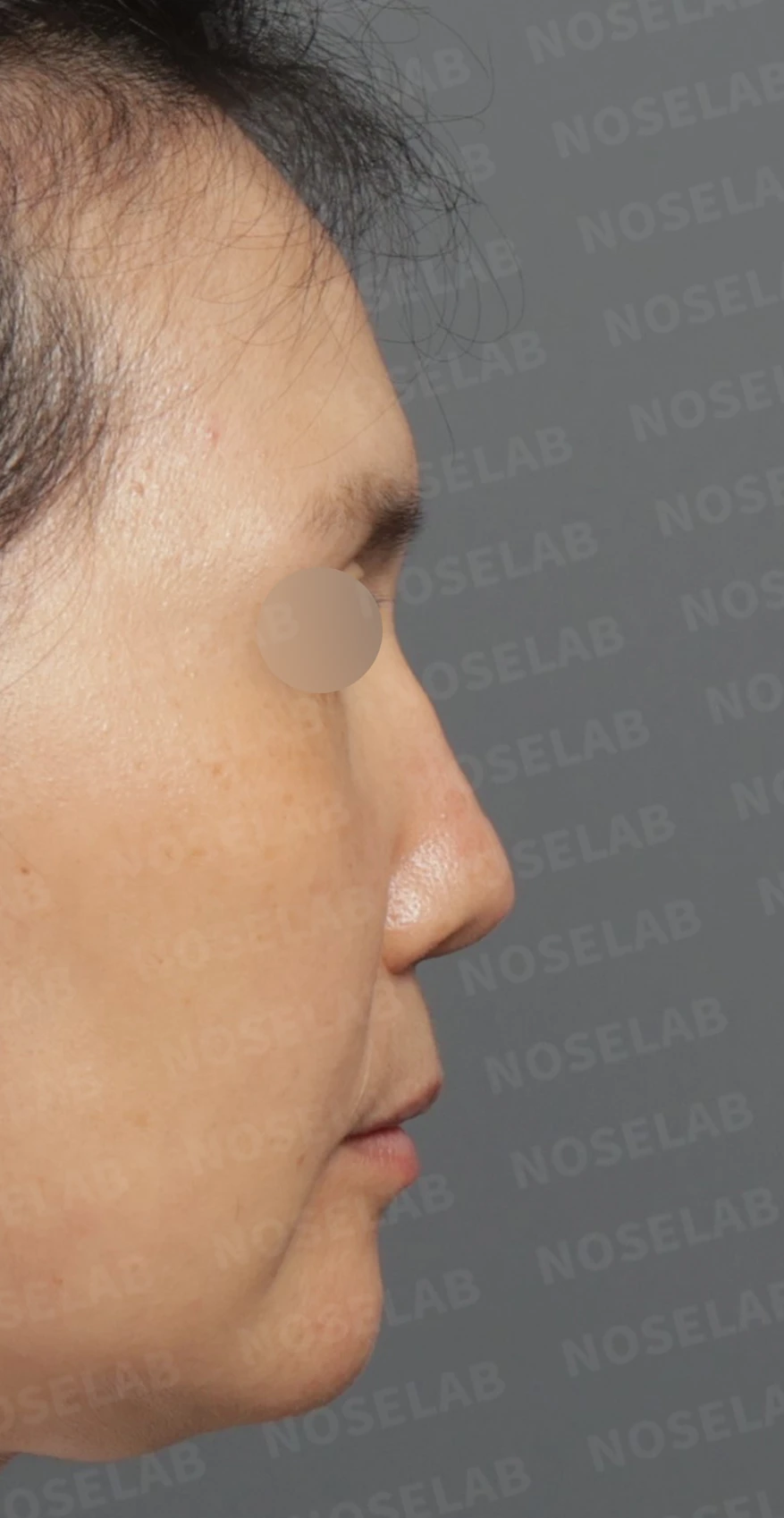
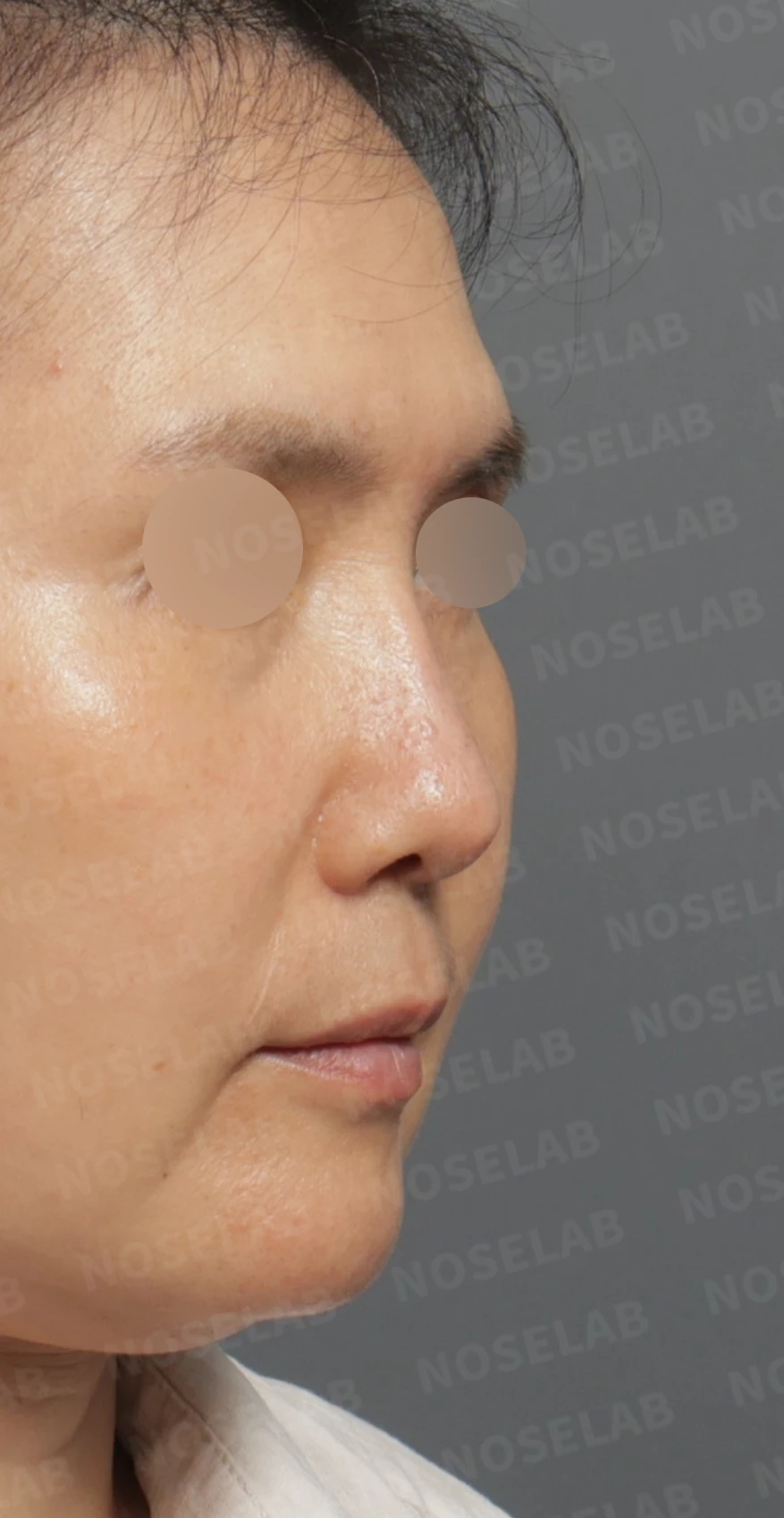
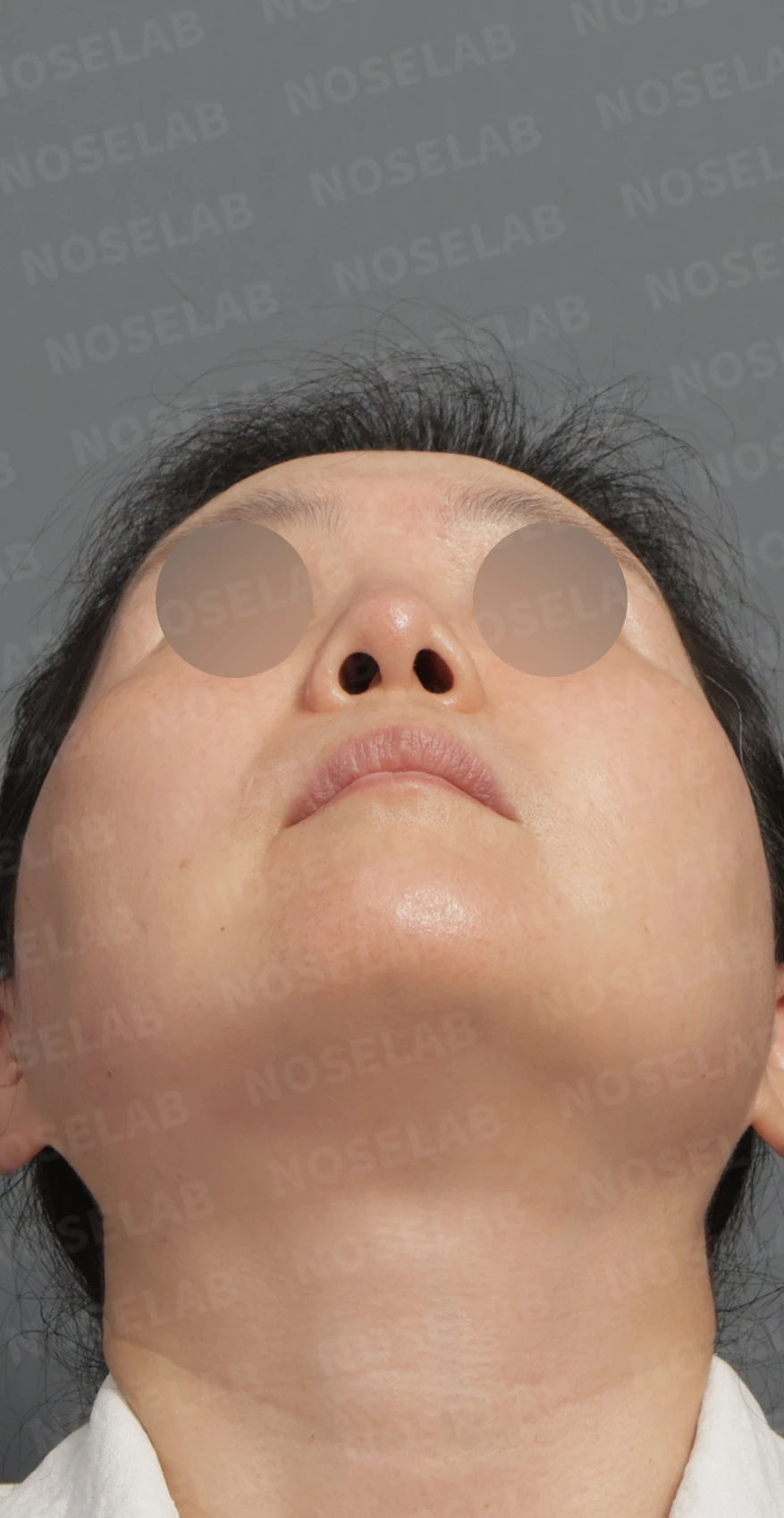
The Patient's Concerns and Goals
About a year before the consultation, the patient began to feel pressure throughout the nose, with recurrent redness, itching, stinging, and occasional warmth. Aesthetically, the patient wanted a straighter nose and a natural contour that suited the face. The patient also asked us to address nasal obstruction.
Surgical Plan and Procedure
We planned revision rhinoplasty through a closed approach, with four main components.
First, closed revision rhinoplasty. Working through internal incisions, we addressed the existing graft materials and reorganized the cartilage framework to improve the nasal shape without an external nasal incision.
Second, correction of nasal deviation. The displaced nasal axis was realigned with the facial midline to create a more symmetrical frontal contour.
Third, nasolabial angle correction. The angle between the nose and upper lip was adjusted to a natural range so that the profile would better suit the overall facial proportions.
Fourth, functional nasal surgery. Septoplasty corrected the deviated septum, while inferior turbinate reduction addressed chronically enlarged tissue. Together, these procedures treated the structural causes of obstruction and created more space for breathing.
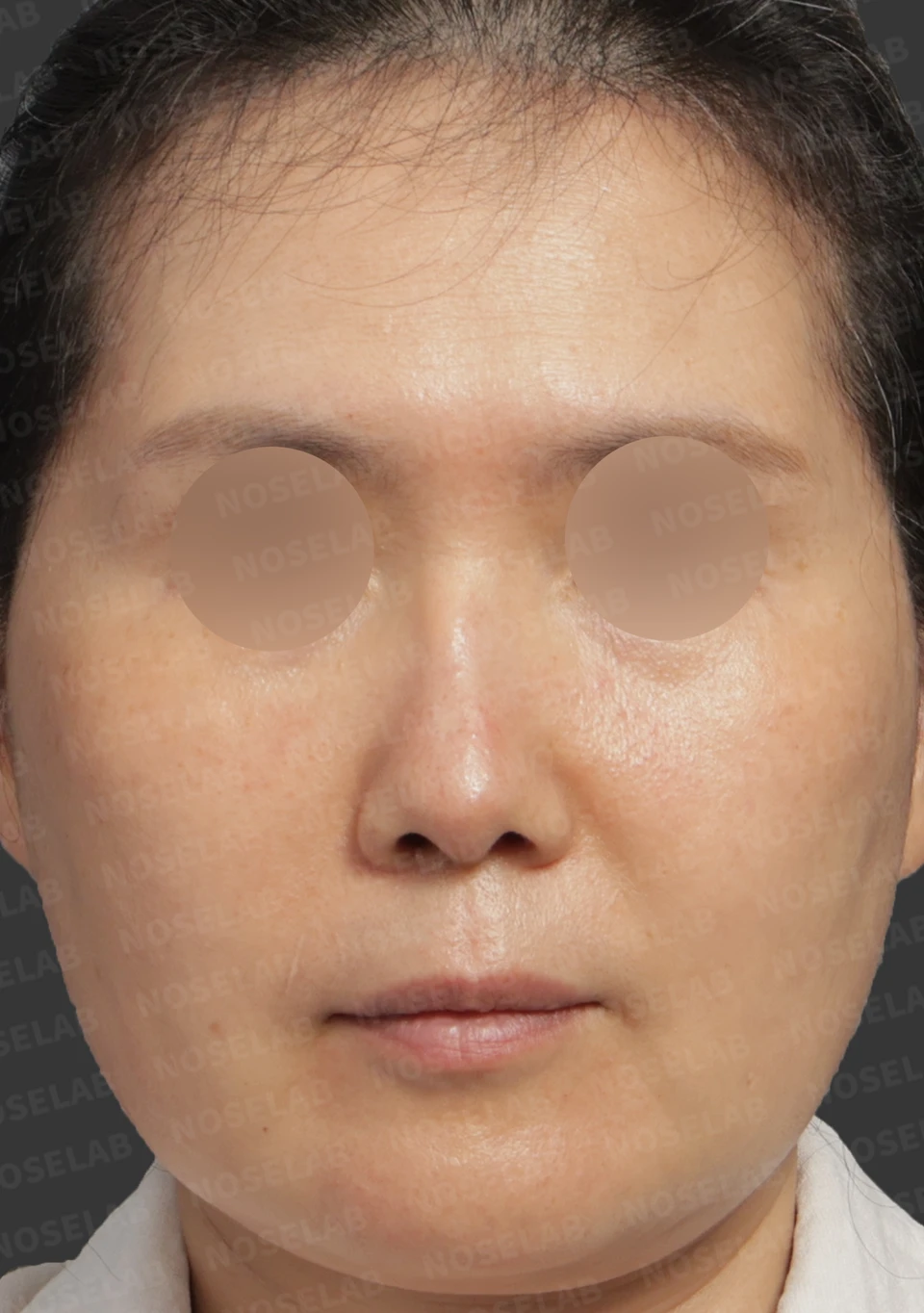
Surgical Results
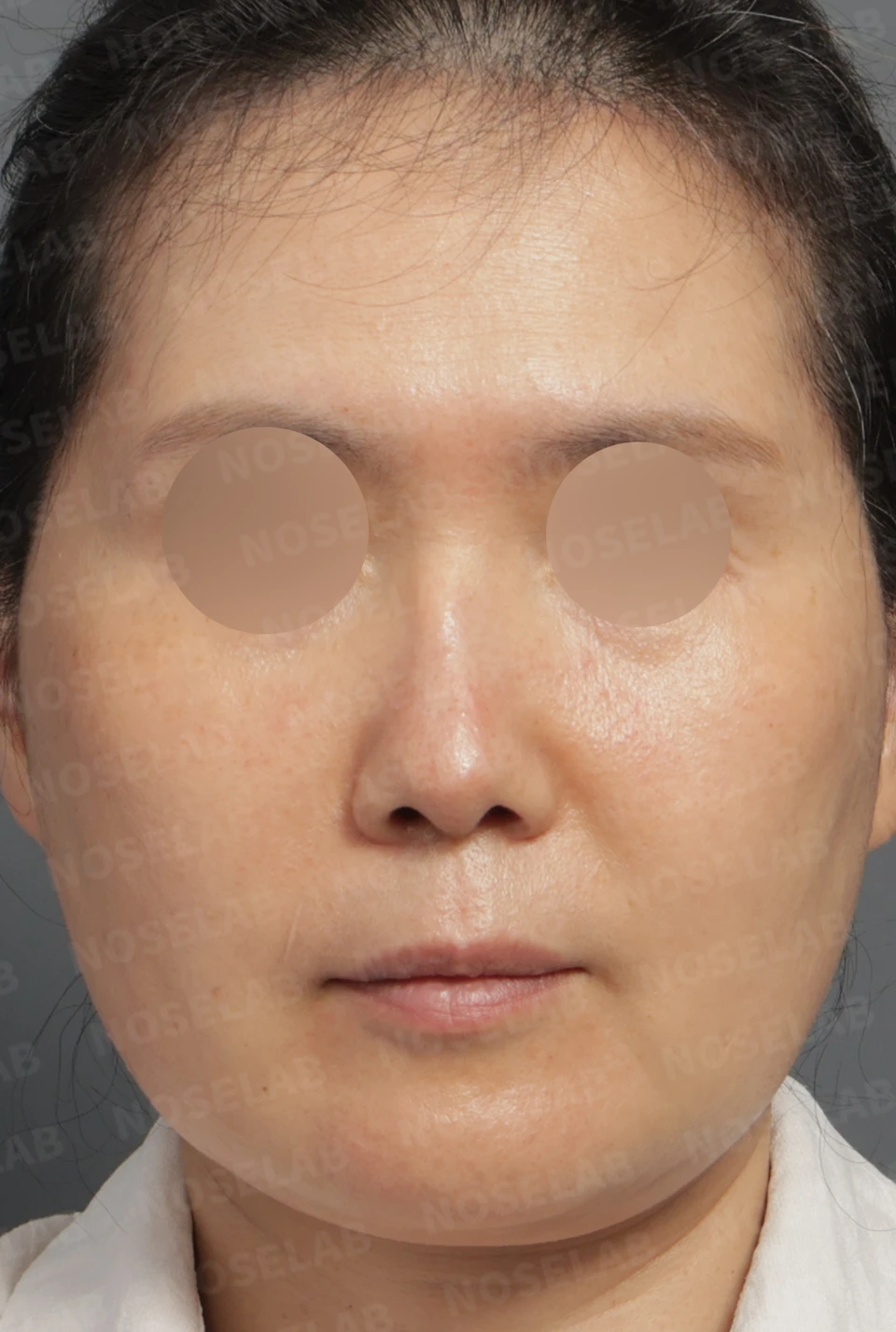
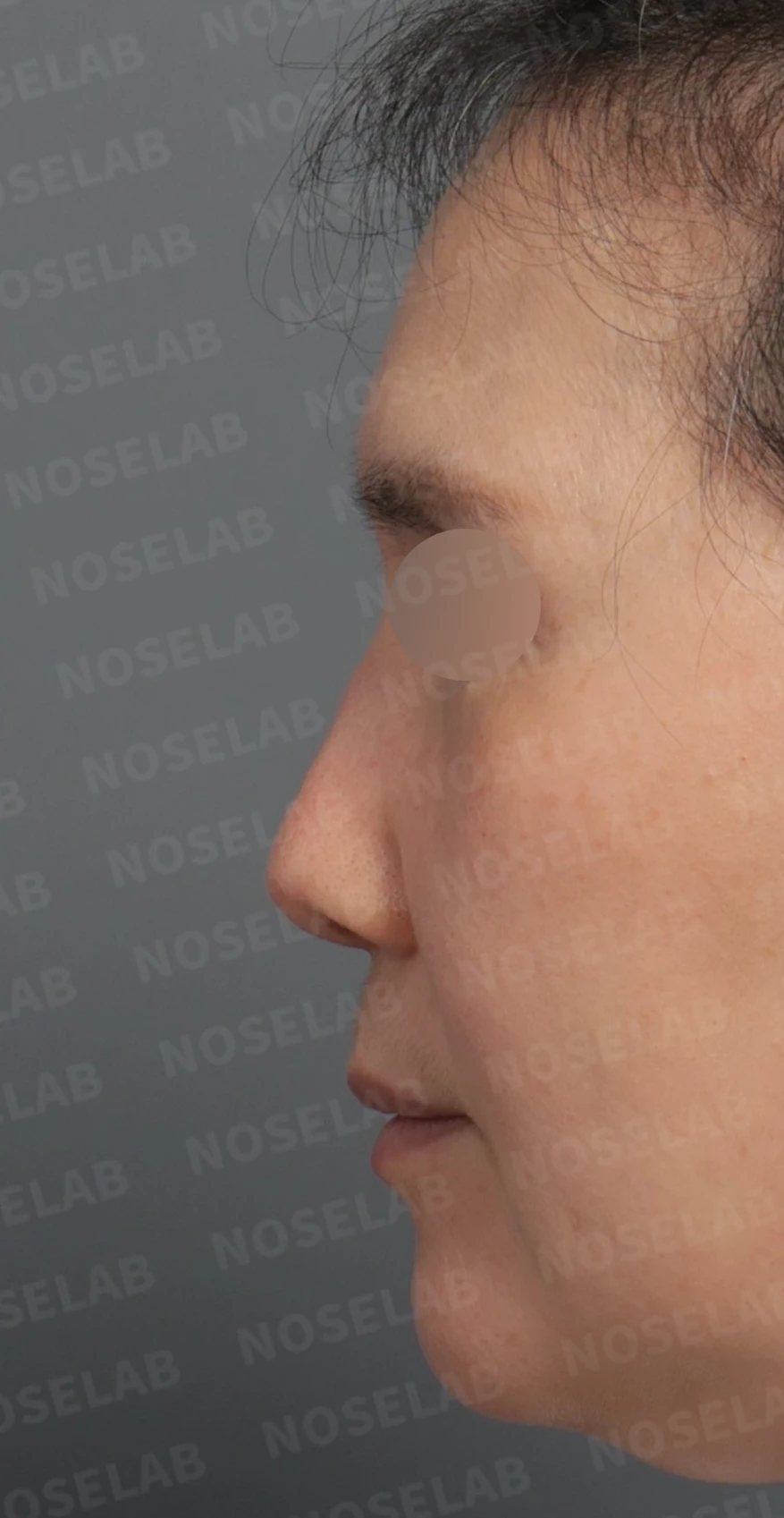
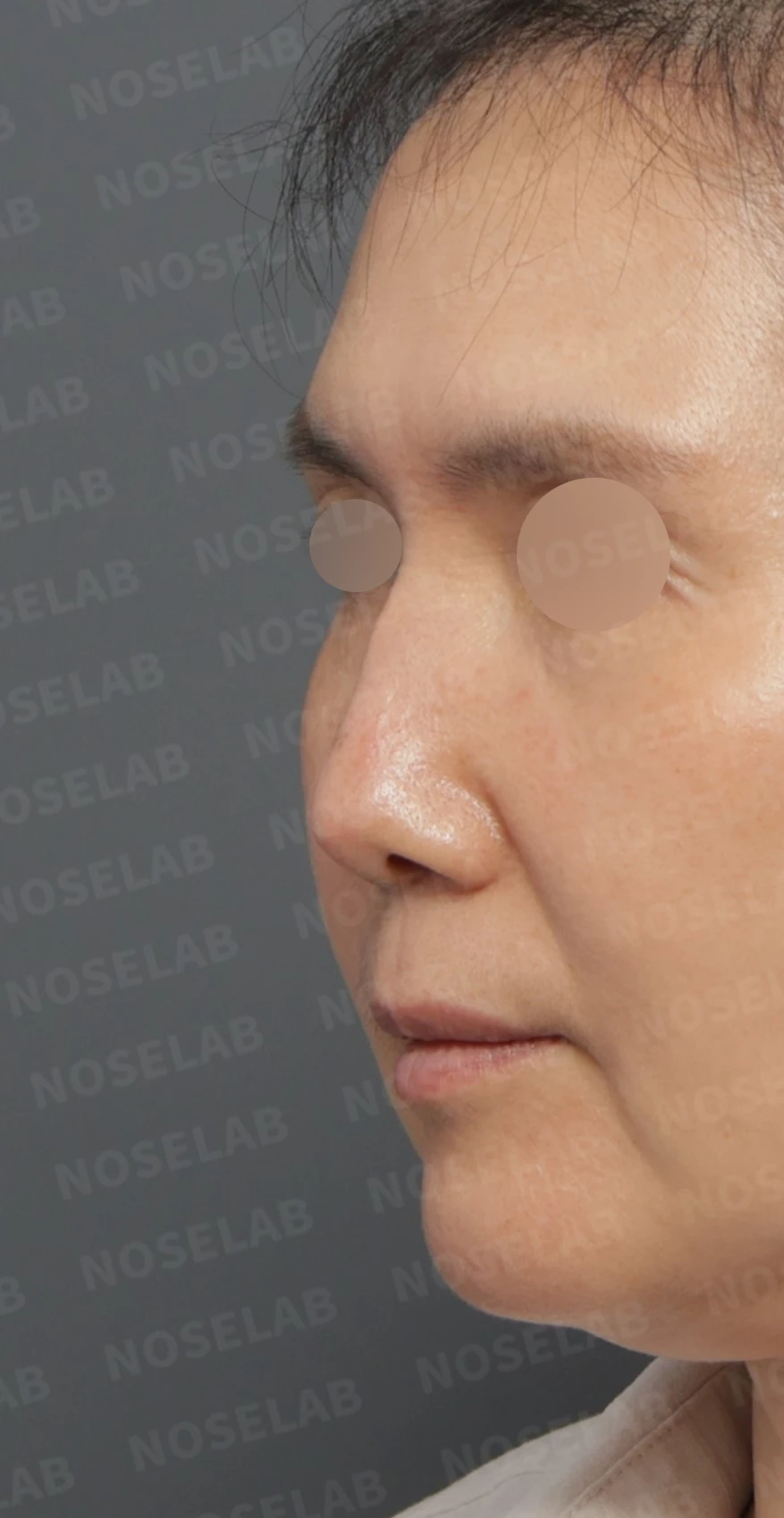
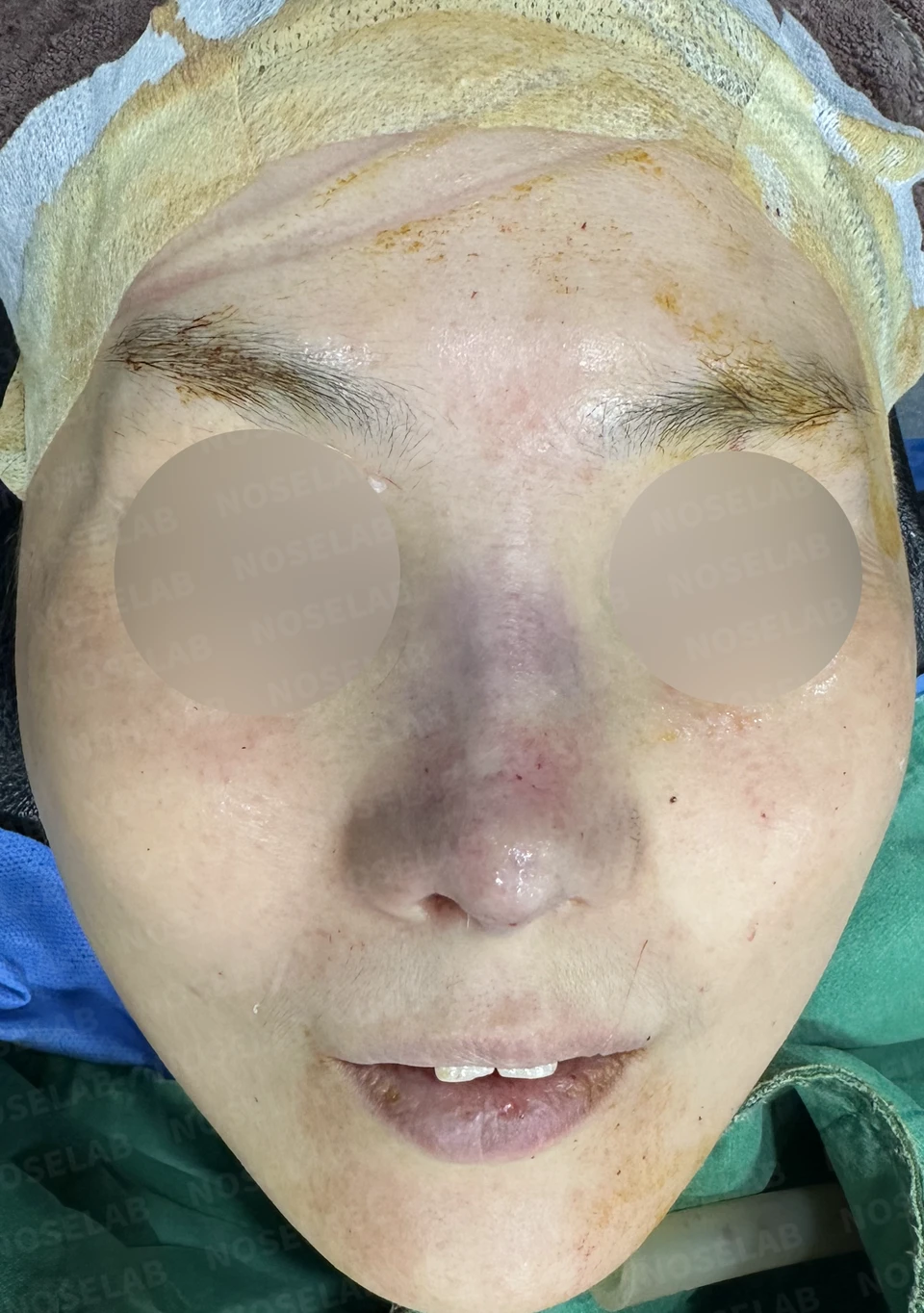
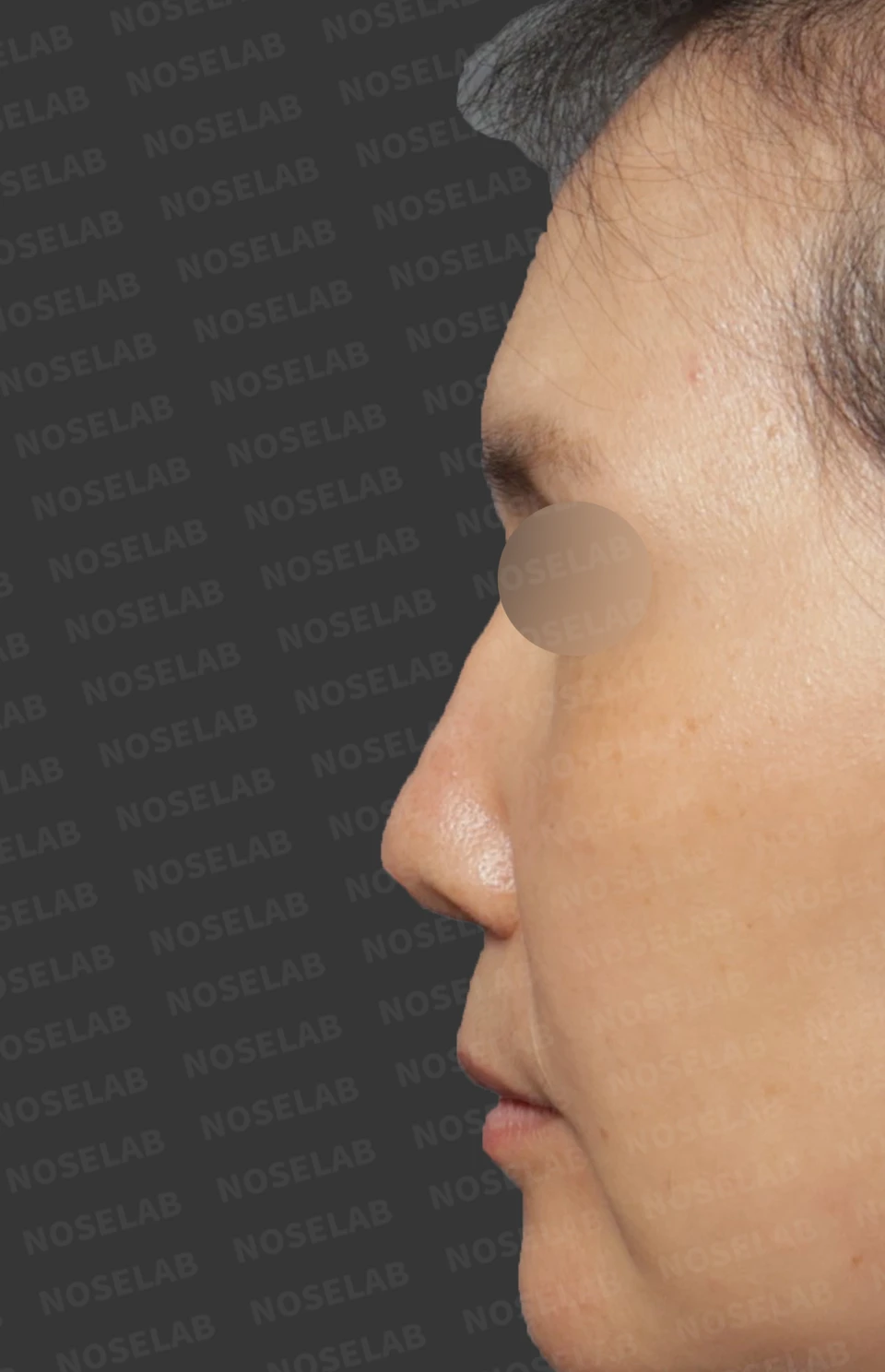
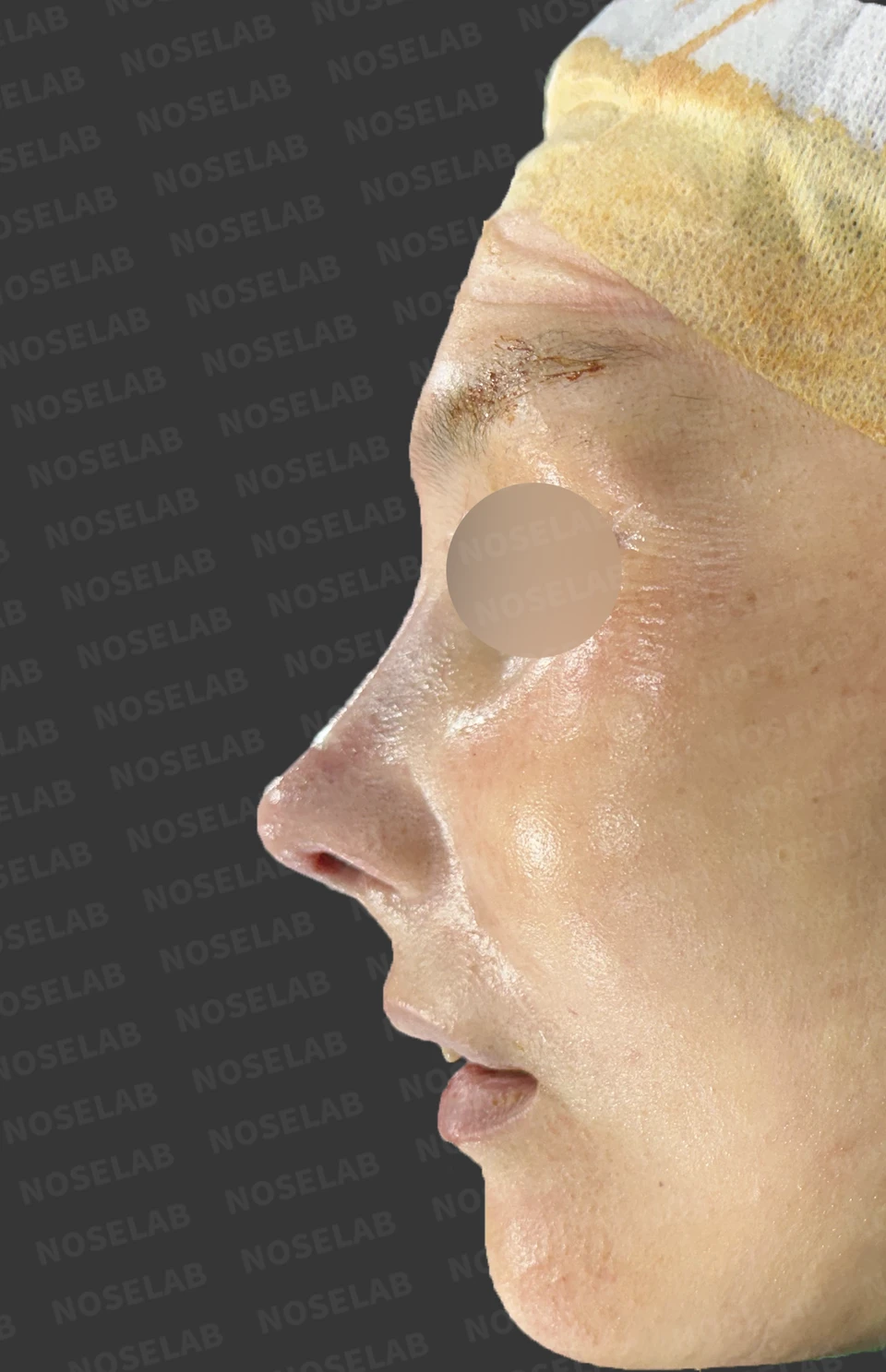
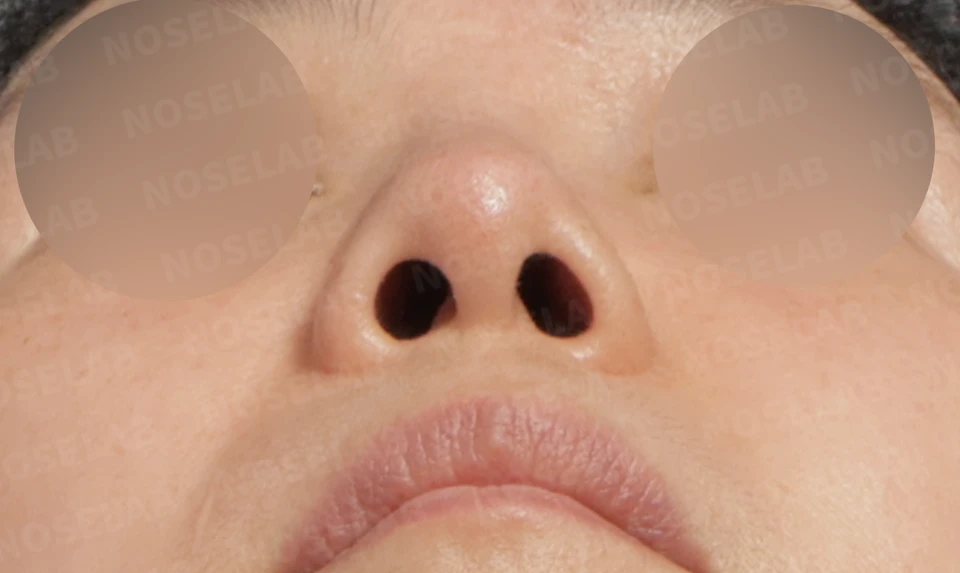
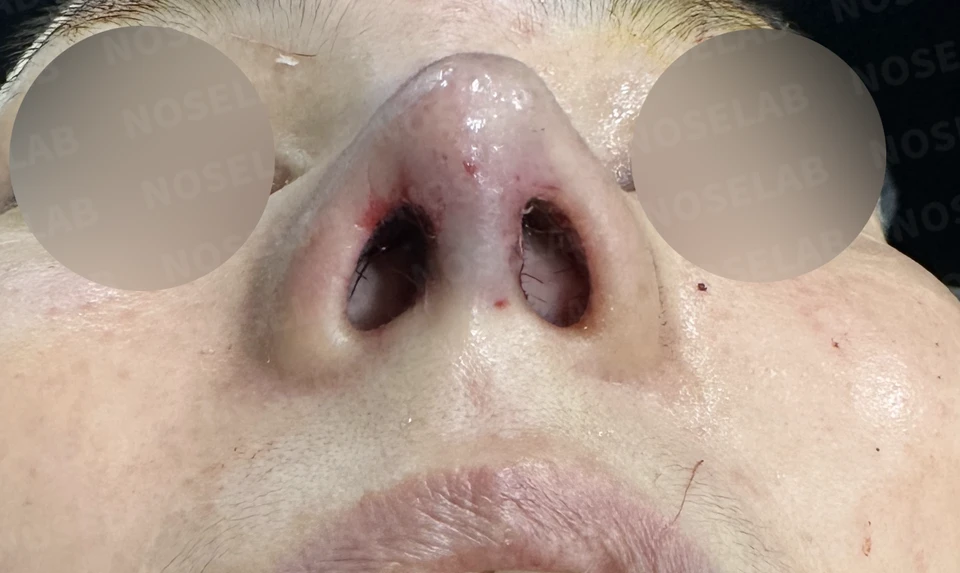
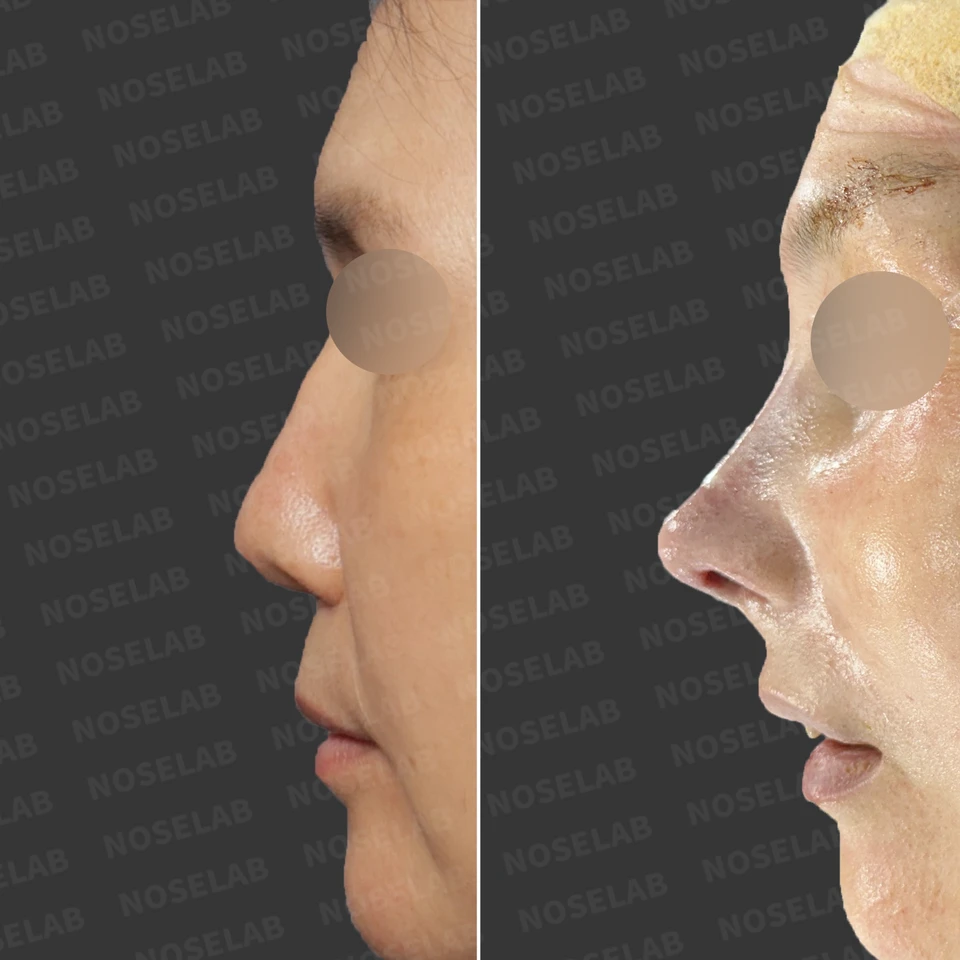
From the front, the nasal contour was better centered and the alar shape more balanced. From the side, the line from the forehead to the tip became more natural. Adjusting the nasolabial angle also softened and balanced the profile. Nostril symmetry improved as well.
Correction of the septal deviation and enlarged inferior turbinates is expected to make nasal breathing substantially easier. The surgery also addressed the underlying source of the recurrent redness, warmth, and pressure.
Surgeon's Perspective
Closed revision rhinoplasty requires detailed anatomical understanding and precise tissue handling. The surgeon must work with cartilage and soft tissues altered by previous surgery while creating the intended shape.
In this case, nasal pressure and recurrent skin symptoms, including redness, itching, and warmth, raised concern for a chronic foreign-body reaction related to the previous surgical material or its position. Revision surgery was needed to address that possibility. Combining the revision with functional nasal surgery allowed us to consider breathing and appearance together.
Every revision case requires an individualized plan. At NOSELAB Clinic, our aim is a natural result based on careful assessment of each patient's circumstances and tissues.
Thank you for reading. I am Dr. Peter C. Kang, Medical Director of NOSELAB Clinic.
Information About These Photographs and Surgical Risks
These before-and-after photographs show an individual patient's results. Discuss your expected outcome with your doctor.
All surgery carries a risk of complications, including the following:
- Infection: Disinfection and injectable or oral antibiotics are used to help prevent infection. In rare cases (less than 0.5%), another operation may be required.
- Bleeding: Nasal packing is used for one to two days to help minimize bleeding. Bleeding may occasionally occur after surgery for nasal inflammation or obstruction.
- Allergic reactions.
- Residual asymmetry: Facial asymmetry and the condition of the nose may prevent complete correction, as explained during consultation.
- Insufficient cosmetic or functional improvement.
- Other complications, including excessive scar formation and skin necrosis.
Read the author’s background and the original case context. About these articles