Case at a glance
These details are excerpts from the original article and captions. Follow a detail to read it in context.
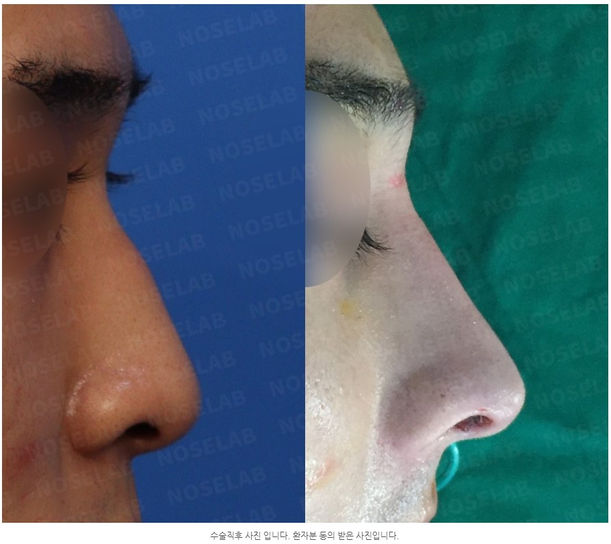
This Closed Rhinoplasty Korea case involved a patient with a deviated nose, hump deformity, and hanging nasal tip.
The aim was to straighten the nasal bridge, refine the drooping tip, and restore symmetry and contour using fat grafting in a scarless closed approach.
Closed Rhinoplasty Korea – Surgical Method
Dr. Kang performed a precise structural correction through a fully closed rhinoplasty approach:
Straightened deviated nasal axis using internal osteotomy.
Removed dorsal hump and refined bridge profile.
Corrected hanging nasal tip by adjusting columella support.
Applied autologous fat transplant for soft-tissue contour balance.
Achieved symmetry and natural definition without external incisions.
Closed Rhinoplasty Korea – Result
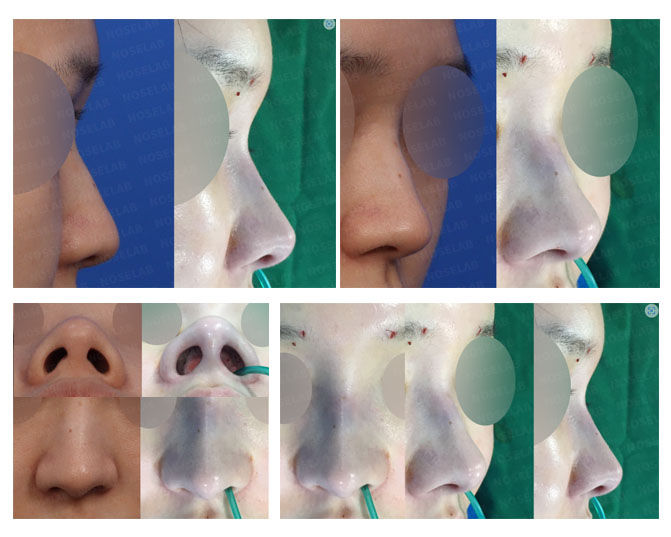
After surgery, the nose appeared straighter and more balanced.
The hump was removed, the drooping tip was refined, and fat grafting created a soft, natural contour.
Closed Rhinoplasty Korea – Dr. Kang’s Comment
“This case required correcting both deviation and drooping tip simultaneously.Through closed rhinoplasty with fat grafting, we achieved symmetry and a natural nasal profile without scars.”
Read the author’s background and the original case context. About these articles
Source updated .