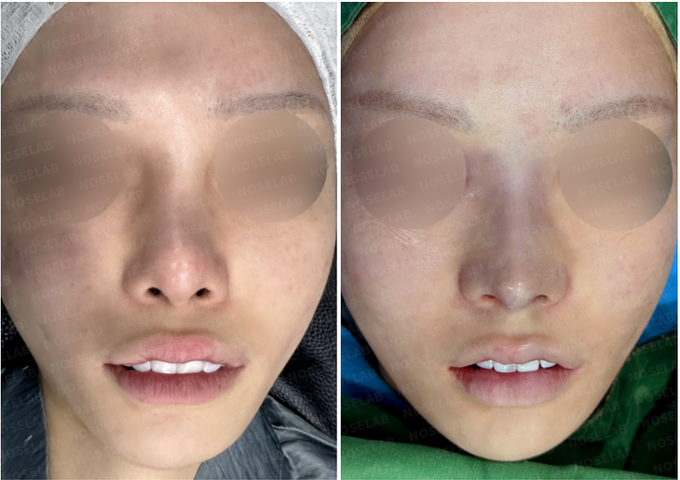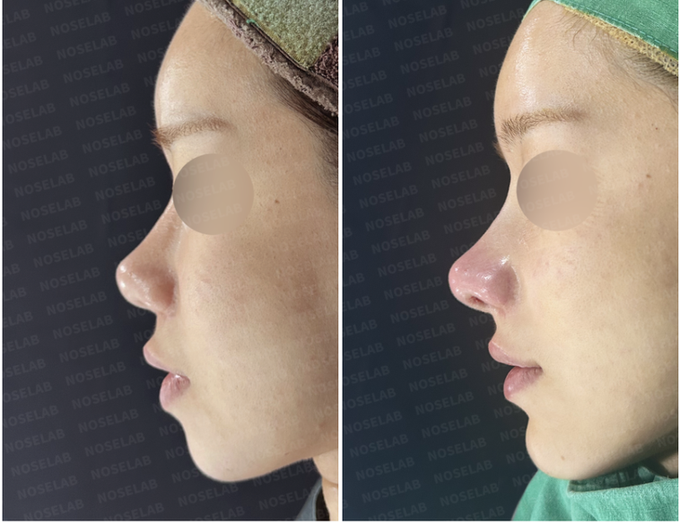
Case at a glance
- Previous treatment
- Surgical plan
- Graft & material details
- Photo timing
These details are excerpts from the original article and captions. Follow a detail to read it in context.
Septal reconstruction with functional correction is a reconstructive rhinoplasty procedure aimed at restoring internal nasal support while resolving chronic nasal obstruction caused by structural damage.
In this case, a severely compromised septum was rebuilt using rib cartilage, allowing stable nasal tip support and simultaneous improvement in breathing without external incisions.
Author: Dr. Cha-Young Kang, Director, NoseLab Clinic
Published: 2026-02-02
Hello, this is Dr. Cha-Young Kang from NoseLab Clinic.
This case involves a patient who continued to experience breathing difficulty and nasal tip instability despite multiple previous rhinoplasty procedures.
Patient Condition and Key Problems
The patient presented with persistent nasal obstruction and structural weakness due to cumulative septal damage from repeated surgeries.
Although prior functional correction had been attempted, the septum remained insufficient to support both airflow and nasal tip stability, leading to progressive symptoms.
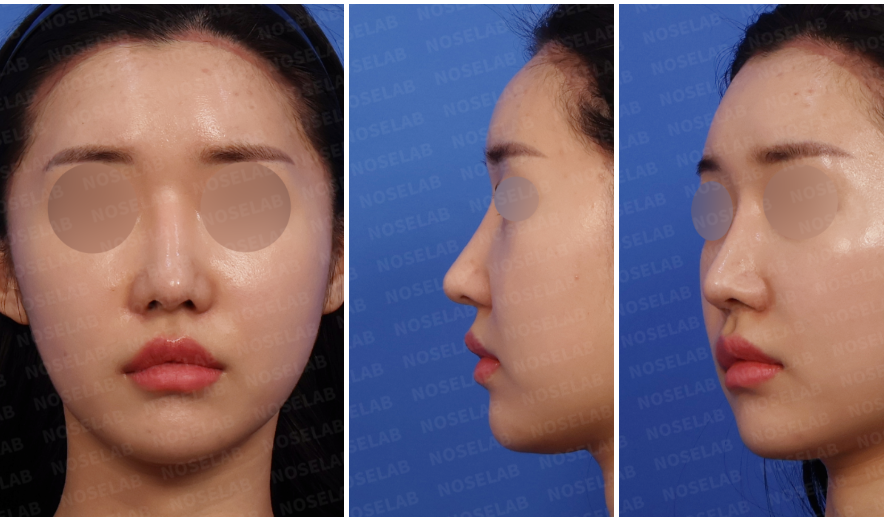
Surgical Background – Septal Reconstruction with Closed Rhinoplasty Korea
Severe septal damage following multiple rhinoplasty procedures requires foundational reconstruction rather than surface-level correction.
For this reason, closed rhinoplasty korea was selected to allow complete internal septal reconstruction and functional correction while preserving soft tissue circulation and avoiding external scars.
Surgical history
7 years prior: Silicone implant, ear cartilage, and AlloDerm rhinoplasty
3 years prior: Revision surgery with implant replacement and functional nasal surgery

Surgical Plan – Structural Reconstruction and Functional Correction
The surgical plan focused on restoring internal stability while resolving airway obstruction.
Key procedures included:
Complete septal reconstruction using autologous rib cartilage
Septal extension graft to stabilize and elevate the nasal tip
Cartilage repositioning to refine a bulbous nasal tip
Correction of the nasolabial angle to address drooping during smiling
Septoplasty to realign the deviated septum
Inferior turbinate reduction to relieve chronic nasal obstruction
Addressing both structure and airway in a single procedure was essential for long-term success.
Surgical Results – Refined Tip and Restored Nasal Function
Postoperative evaluation demonstrated improvement in both form and function.

Frontal view:
The nasal tip became sharper and more stable without distortion during facial movement.

Side profile:
The drooping arrow-shaped profile was corrected, with an improved nasolabial angle and balanced projection.

Functional outcome:
Airflow through the nasal cavity improved significantly, and the patient reported comfortable nasal breathing.
The nose now maintains its shape and function consistently over time.
Surgeon’s Commentary – Why Septal Reconstruction Is Essential in Revision Surgery
Revision rhinoplasty cannot succeed when the septum is structurally compromised.
In this case, rib cartilage rhinoplasty provided durable internal support, allowing both aesthetic refinement and reliable airway correction. Functional abnormalities identified through CT and endoscopy were corrected simultaneously, ensuring long-term stability and breathing comfort.
This structure-first approach is essential in complex revision cases involving both cosmetic and functional concerns.
FAQ – Septal Reconstruction and Nasal Obstruction Correction
Q1. Why does nasal obstruction persist after multiple rhinoplasty surgeries?
Repeated surgery can weaken or damage the septum, leading to airflow obstruction even if external shape appears corrected.
Q2. Why is rib cartilage used for septal reconstruction?
Rib cartilage offers strong, biocompatible support and is ideal for rebuilding a severely damaged septum in revision cases.
Q3. Can breathing improvement and aesthetic refinement be achieved together?
Yes. When structural reconstruction and airway correction are planned together, both function and appearance can be restored safely in a single procedure.
🎥 YouTube Reference
If you’re curious about Dr. Cha-Young Kang’s closed rhinoplasty approach, click to watch the video.

Read the author’s background and the original case context. About these articles