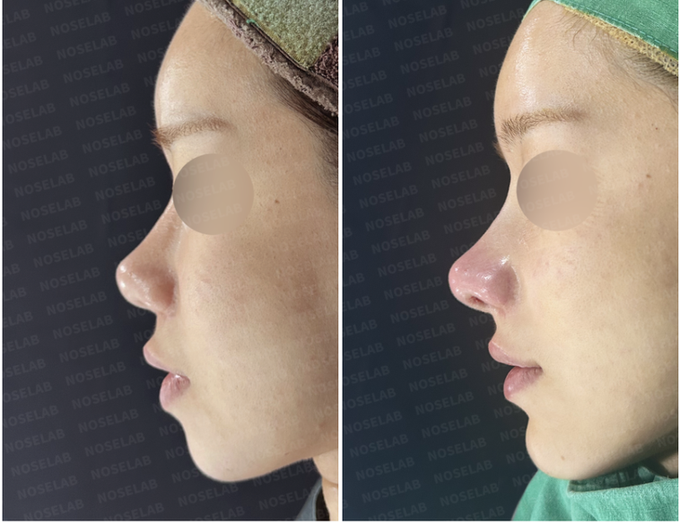
Case at a glance
- Surgical plan
- Photo timing
These details are excerpts from the original article and captions. Follow a detail to read it in context.
This clinical case describes a male patient who presented with significant functional nasal problems following previous nasal surgeries. The primary objective of treatment was restoration of nasal airflow through structural correction rather than cosmetic modification.
Patient Condition and Key Problems
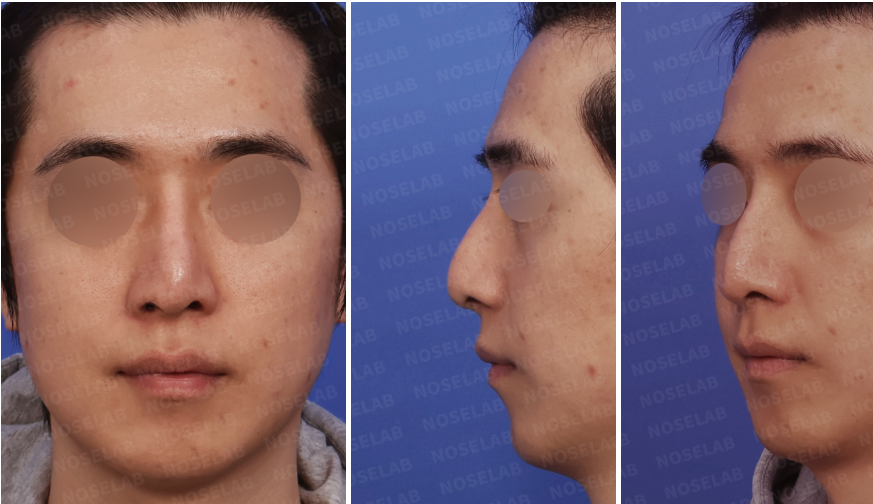
The patient suffered from severe left-sided nasal obstruction that caused daily discomfort. Clinical examination revealed a markedly drooping nasal tip and instability of the internal nasal framework. Functional breathing impairment was the patient’s primary concern, outweighing aesthetic considerations.
Surgical Background – closed rhinoplasty korea
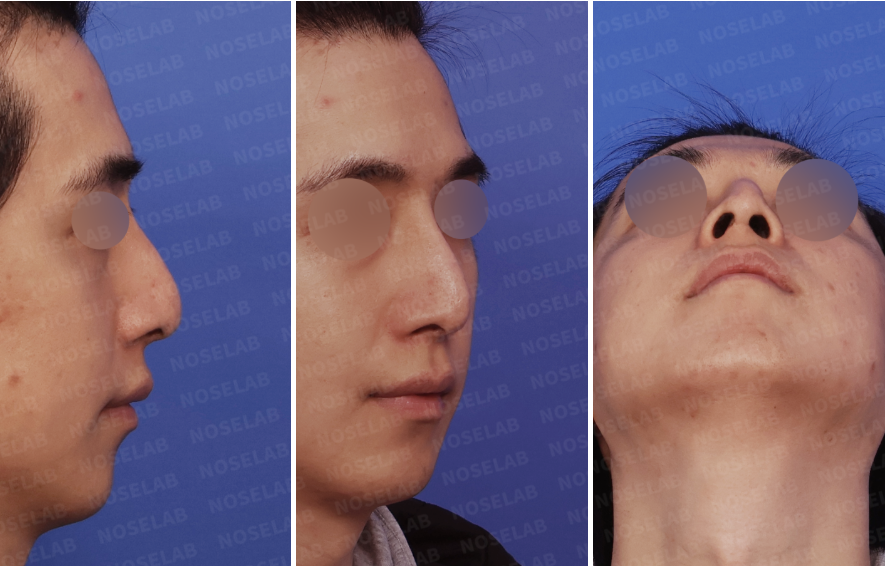
This case represents a revision rhinoplasty. The patient had a history of nasal trauma followed by two prior nasal operations, including septal surgery and silicone implant placement. Preoperative assessment demonstrated complete collapse of the nasal septum toward the left side, resulting in near-total loss of the left nasal airway. In this revision case, closed rhinoplasty korea was selected to correct internal structural failure without additional external incisions.
Surgical Plan – Structural & Functional Approach
Structure-first Philosophy
Because the septum was structurally collapsed rather than merely deviated, simple correction was insufficient. Septal reconstruction was required to restore airway patency and internal nasal support. Autologous rib cartilage was selected due to its strength and suitability for long-term structural stability.
Long-term Stability and Revision Prevention
The reconstructed septum was rigidly fixed to the maxillary bone to establish stable midline support and reduce the risk of recurrent collapse. Septoplasty and septal extension grafting were performed to support the nasal tip and improve airflow. Inferior turbinate reduction was added to address chronic rhinitis and further enhance breathing function.
Surgical Results – Aesthetic and Functional Outcome
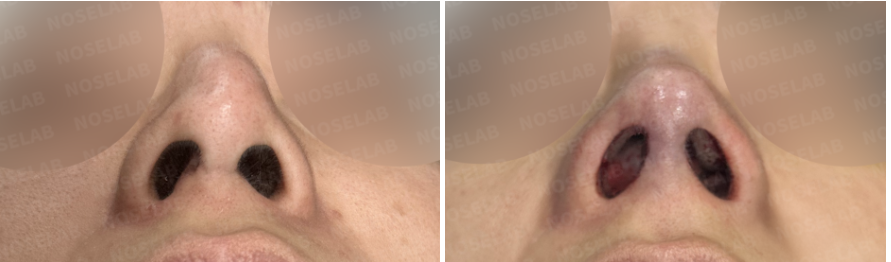
Postoperatively, the left nasal airway was restored, resulting in significant improvement in nasal breathing. Structural stability of the septum was achieved, supporting durable functional outcomes. The nasal tip was elevated in a controlled manner without excessive projection. Overall nasal symmetry improved, and previously visible internal structures were adequately covered.

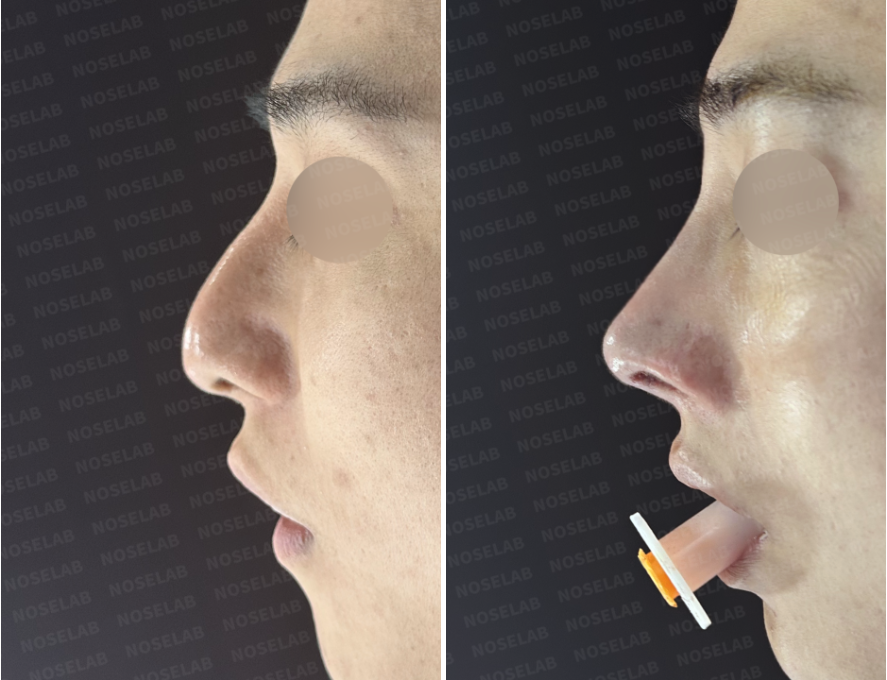
Surgeon’s Commentary
In revision cases involving complete septal collapse, septal reconstruction is essential. Autologous rib cartilage provides the rigidity required for long-term airway support. Fixation to the maxillary bone may involve multiple anchoring points and requires careful hemostasis. Close postoperative monitoring is critical to achieving stable outcomes in complex revision rhinoplasty.
Frequently Asked Questions (FAQ)
Q1. Why is septal reconstruction sometimes required in revision rhinoplasty?
When the septum has lost its structural integrity due to previous surgery or trauma, reconstruction is necessary to restore nasal airflow and internal support.
Q2. Can rhinoplasty improve nasal obstruction caused by septal collapse?
Yes. When nasal obstruction is caused by structural septal collapse, reconstructive rhinoplasty can significantly improve airflow.
Q3. How does closed rhinoplasty differ from open rhinoplasty?
Closed rhinoplasty is performed through internal nasal incisions without an external skin incision, allowing structural correction while minimizing external tissue disruption. At NoseLab Clinic, nasal structural problems are addressed using a closed approach as a surgical principle, and procedures requiring external incisions are not performed. The surgical strategy is based on anatomical and functional assessment rather than cosmetic preference.
🎥 YouTube Reference
If you’re curious about Dr. Cha-Young Kang’s closed rhinoplasty approach, click to watch the video.
Read the author’s background and the original case context. About these articles