Case at a glance
These details are excerpts from the original article and captions. Follow a detail to read it in context.
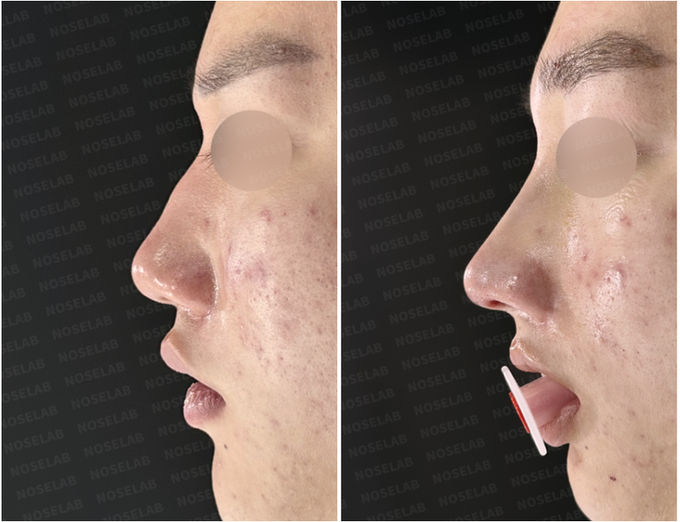
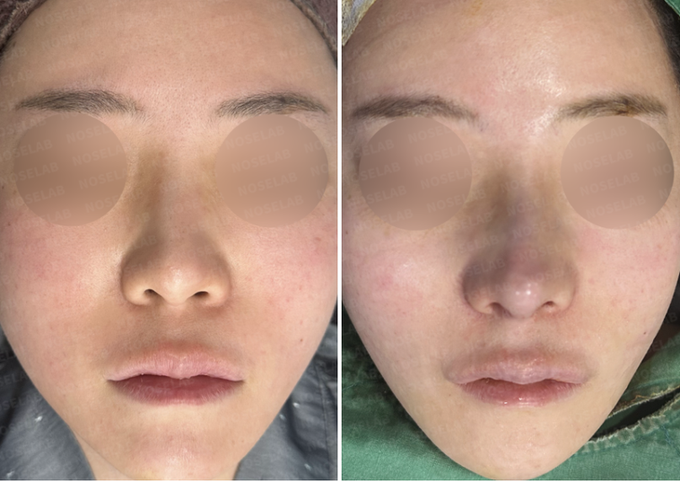
This Functional Rhinoplasty Korea case at Dr.Kang’s NoseLab Seoul addressed multiple structural concerns including hump nose, deviation, nostril asymmetry, and upturned nasal tip.
Through a fully closed rhinoplasty, both functional and aesthetic balance were restored.
Functional Rhinoplasty Korea – Patient Background
The patient presented with a deviated and upturned nose, nostril asymmetry, and a visible hump.
The nasal tip appeared droopy when viewed from the side, creating imbalance in the facial profile.
Functional Rhinoplasty Korea – Surgical Plan
Dr. Kang performed a closed functional rhinoplasty focusing on structure and airflow improvement:
Corrected deviation and asymmetry
Smoothed dorsal hump for natural nasal line
Lowered upturned nasal tip
Adjusted nostril shape and height for symmetry
Improved breathing function while maintaining a scarless closed approach
Functional Rhinoplasty Korea – Postoperative Result
After surgery, the nasal bridge was aligned, the tip positioned naturally, and nostrils balanced.
The result achieved both aesthetic refinement and functional restoration.

Dr. Kang’s Comment
“This case required balancing multiple deformities while preserving function.
Through the closed functional rhinoplasty approach, we achieved a natural nasal shape with improved breathing.”
NoseLab performs all surgeries using the closed approach.
Read the author’s background and the original case context. About these articles
Source updated .