
A different starting point
Revision rhinoplasty & nasal reconstruction in Seoul.
Revision rhinoplasty addresses concerns after a previous nose operation. Planning starts with understanding what has changed: the remaining cartilage, scar tissue, skin, nasal airway and any existing implant.
How is revision different from a first rhinoplasty?
A previously operated nose may have altered support, scar tissue or less available septal cartilage. The visible concern and its underlying cause are not always the same. Assessment therefore considers the original procedure, any subsequent surgery, the course of healing and current symptoms before deciding what can reasonably be changed.
What is a contracted nose?
Contracture describes tightening of scar tissue. After implant surgery it may be associated with shortening, an upturned tip or increased nostril exposure. Published reconstruction cases discuss the condition of the skin, the capsule around an implant and the remaining framework. These features help explain why reconstruction may involve more than changing the nasal outline.
Why is rib cartilage discussed in reconstruction?
Some revision cases need additional material to rebuild support when existing cartilage is insufficient. The case library includes the use of a patient’s own rib cartilage and other graft materials. The choice depends on the reconstruction required. Ask what material is proposed, why it is needed, and what donor-site considerations and material-specific risks apply to you.
Can repeated revisions always solve the problem?
No operation can promise complete correction. The number of earlier procedures is useful history, but the condition of the tissue and the cause of the problem also matter. Discuss what can be improved, what may remain, whether further healing is needed, and whether treatment should be staged. Bring previous operative records and implant information if available.
TAKE THESE TO YOUR CONSULTATION
Make your questions specific.
- What is causing the current change in shape or breathing?
- How much support and healthy tissue remain?
- Which limitations, graft choices and timing considerations apply to my case?
Patient information summarised from the published guides below. Edited . Individual assessment is needed before treatment. Sources and editorial approach.
READ THE ORIGINAL GUIDES
A closer look.
FROM THE CASE LIBRARY
See the individual context.
Read each case for its history and photograph timing. Cases describe individual treatment; results and recovery vary.
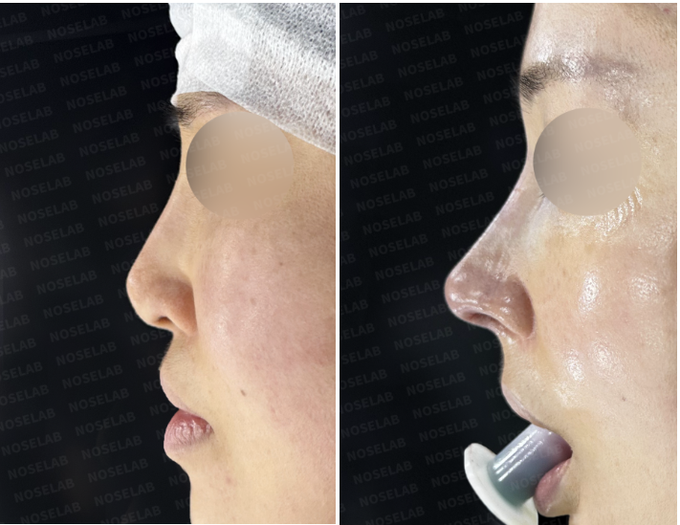 CASEBOOK
Implant Visibility Revision Rhinoplasty with Rib Cartilage Reconstruction
Implant visibility revision rhinoplasty case using silicone implant correction, foreign material removal, rib cartilage tip reconstruction, …
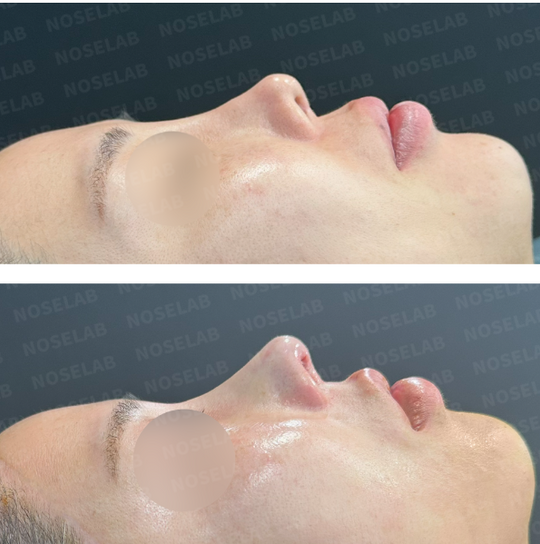 CASEBOOK
Nostril Exposure Correction Rhinoplasty with Rib Cartilage Reconstruction
Nostril exposure correction rhinoplasty case using rib cartilage reconstruction to improve upturned tip, nostril asymmetry, and airway suppo…
 CASEBOOK
Closed Rhinoplasty Korea for Contracted Nose Correction and Structural Reconstruction
Closed Rhinoplasty Korea correcting contracted nose deformity using rib cartilage reconstruction for structural stability, improved breathin…