Case at a glance
- Concerns & goals
- Surgical plan
- Graft & material details
- Photo timing
These details are excerpts from the original article and captions. Follow a detail to read it in context.
[Nose Lab Clinic]
Hello, this is Dr. Cha-Young Kang, Director of Nose Lab Clinic.
Today, I’m sharing a case of a patient who sought treatment for a hump nose, deviated nose, and nasal obstruction caused by chronic rhinitis. This case highlights how functional and aesthetic concerns can be addressed simultaneously through a carefully tailored surgical approach.
1. Patient’s Goals for Hump Nose Correction
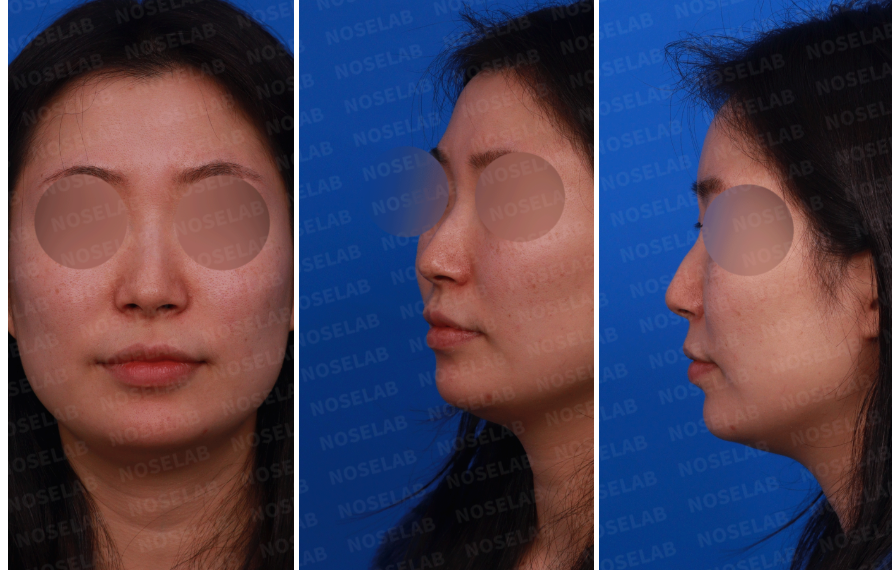
Smooth and harmonious correction of the hump nose.
Straightening of the deviated nasal structure.
Heightening the nasal bridge.
Achieving a natural, elegant straight nasal line.
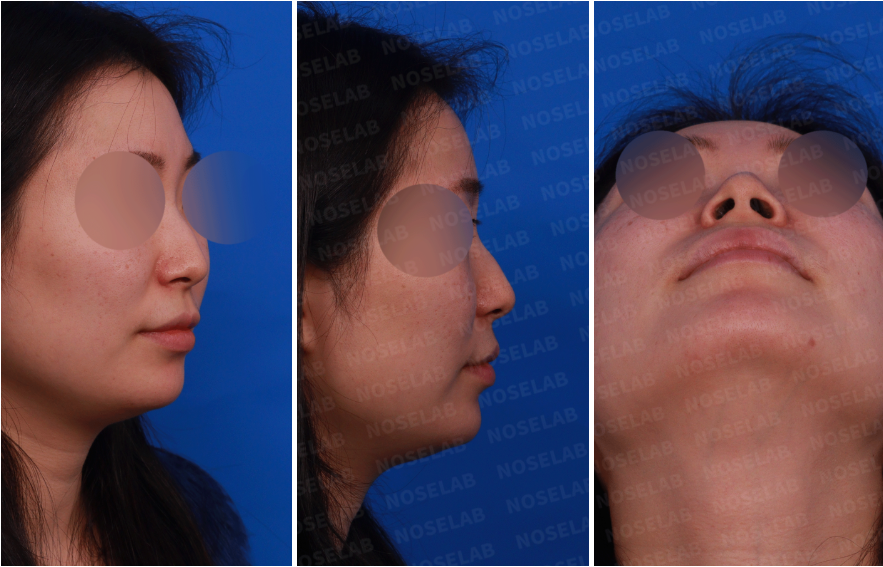
2. Medical Background & Preoperative Analysis
CT Findings: Evidence of right-sided sinusitis.
Symptoms: Chronic nasal obstruction.
Diagnosis: Hypertrophic rhinitis.
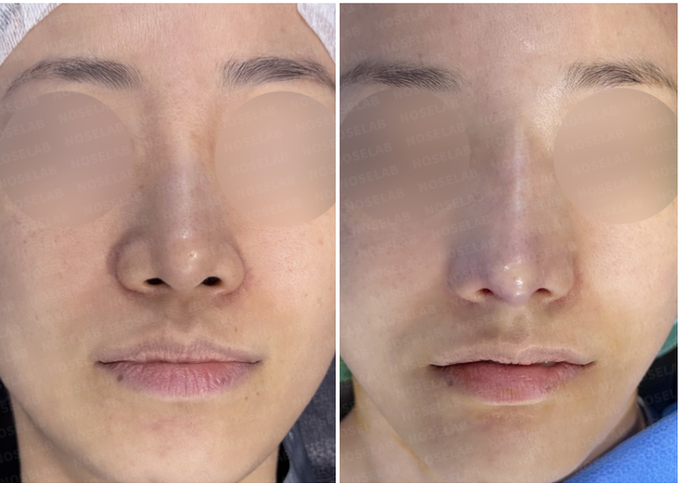
Frontal View: Deviated bridge, blunt tip, wide nasal base.
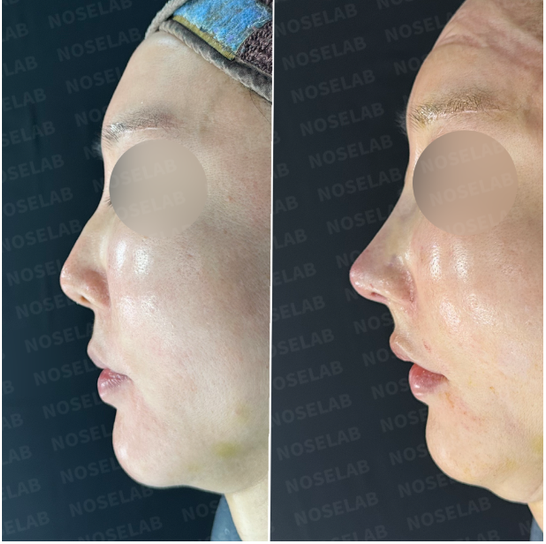
Side View: Prominent hump, droopy tip, low radix.
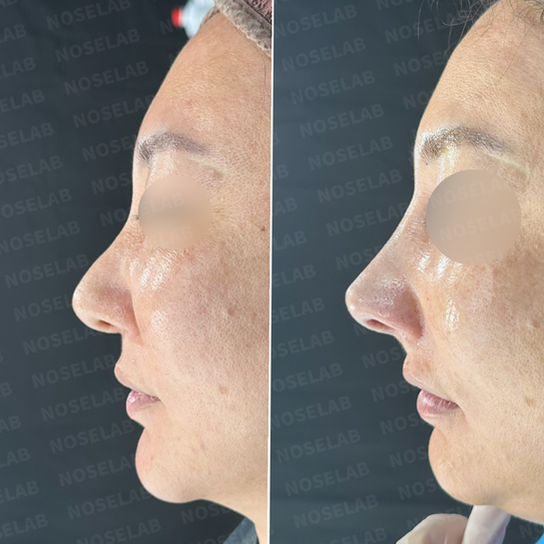
Oblique View: Emphasis on hump and low radix.
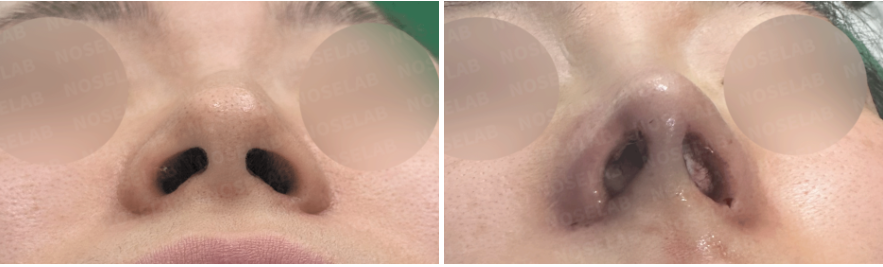
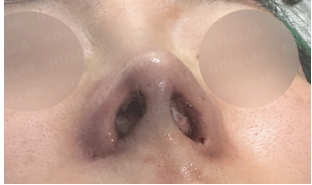
Nostril View: Left nostril larger and asymmetrical.
3. Surgical Plan for Hump Nose Correction
1. Hump Refinement & Deviated Nose Correction
Removal of excess bone and cartilage for a smooth nasal bridge.
Lateral osteotomy to realign nasal bones.
Silicone implant to create a refined, straight profile.
2. Tip Refinement
Realignment of alar cartilages for symmetry.
Cartilage stitching for a natural, defined tip.
Removal of excess subcutaneous tissue.
Nasolabial angle adjustment for a balanced profile.
3. Functional Corrections
Septoplasty to correct septal deviation and improve airflow.
Radiofrequency inferior turbinate reduction to alleviate nasal obstruction.
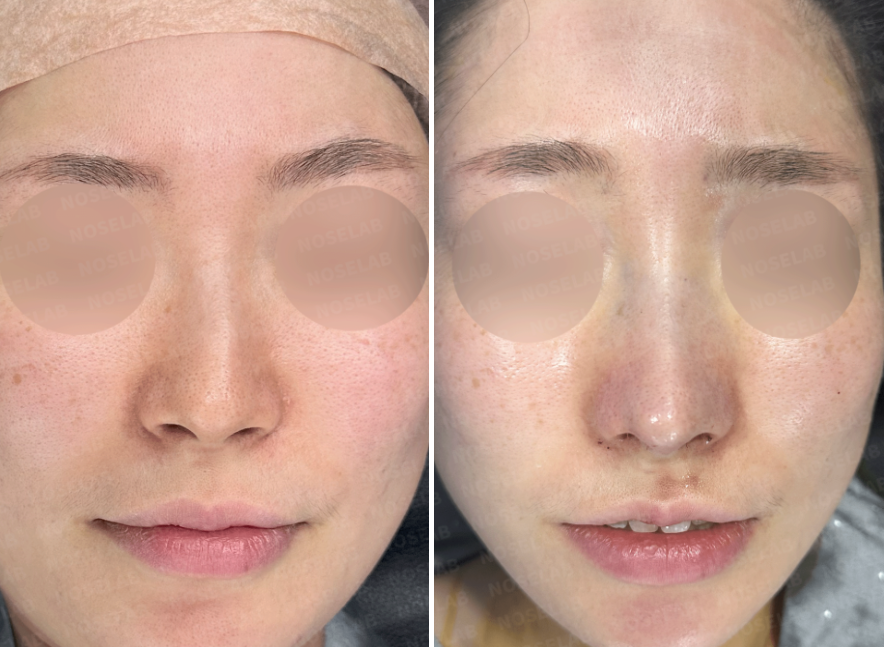
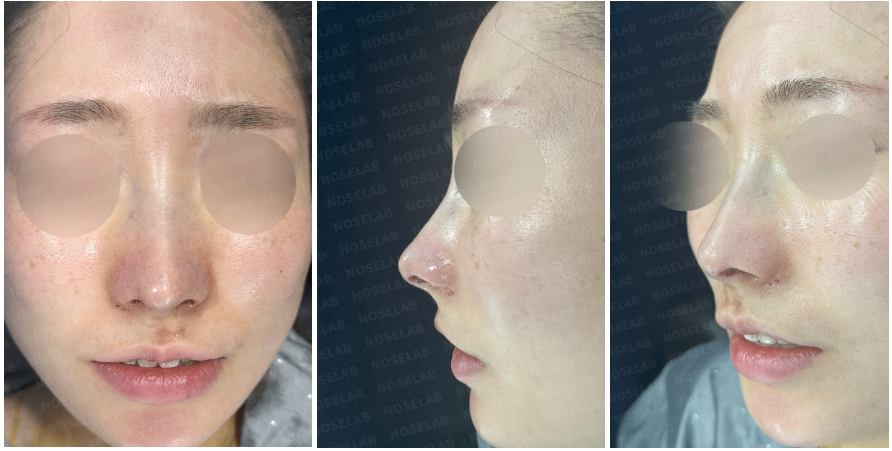
5. Postoperative Results
Frontal View: Straight, symmetrical bridge with refined tip.
Side View: Smooth contour after hump removal, improved radix height, elevated tip.
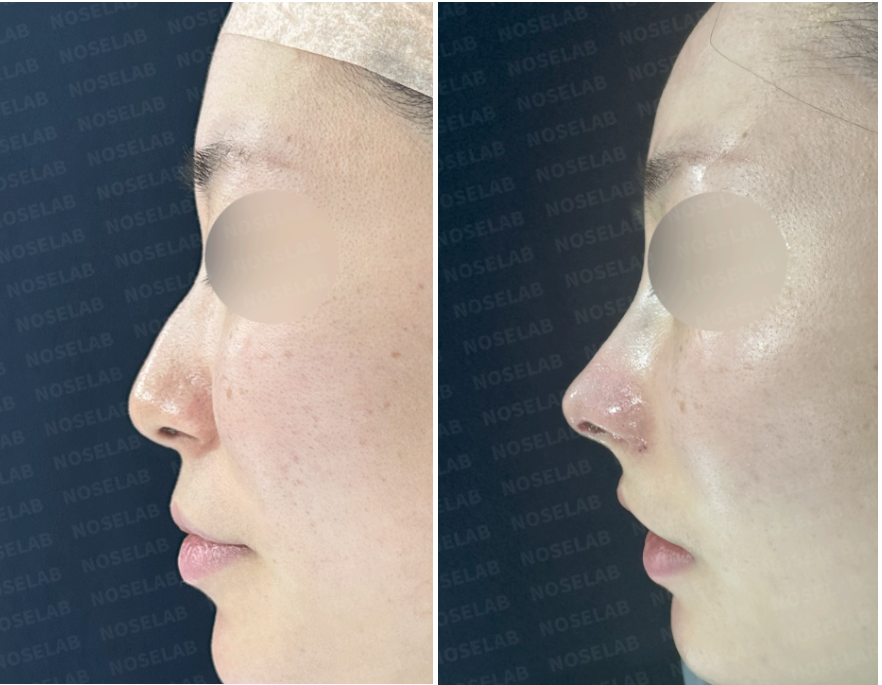
Oblique View: Balanced proportions and polished line.
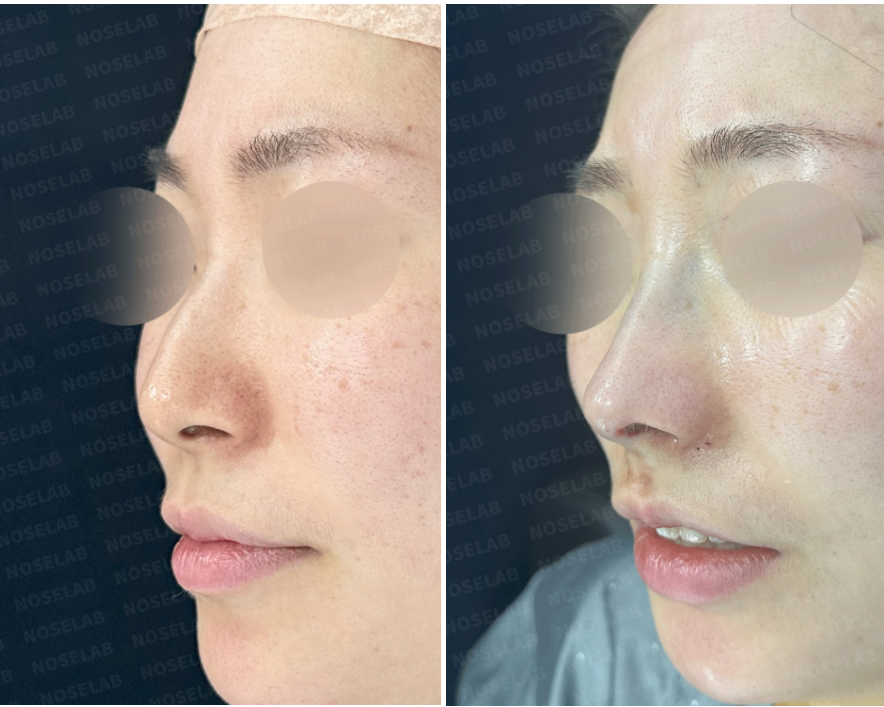
Nostril View: Restored symmetry and natural shape.
6. Expert Insights on Hump Nose Correction
This case demonstrates that functional and aesthetic nasal surgery can complement each other. For patients with sinus-related symptoms, functional corrections such as septoplasty and turbinate reduction are essential for improving long-term breathing and quality of life.
Closing Thoughts
Combining functional corrections with aesthetic improvements allows patients to breathe better and feel more confident in their appearance.
At Nose Lab Clinic, all surgeries are performed using the closed (endonasal) approach.
Read the author’s background and the original case context. About these articles
Source updated .