Case at a glance
- Concerns & goals
- Surgical plan
- Graft & material details
- Photo timing
These details are excerpts from the original article and captions. Follow a detail to read it in context.
This case demonstrates closed rhinoplasty Korea for correcting nostril stenosis and nasal obstruction following multiple prior surgeries. Structural reconstruction using rib cartilage and alar framework restoration was performed to improve nasal airflow, restore symmetry, and achieve long-term stability.
✅ Author / Published / Updated
Dr. Cha-Young Kang
NoseLab Clinic
Published: 2025
Last Updated: 2026
This patient presented for revision rhinoplasty with severe nostril stenosis, nasal obstruction, and structural deformity following multiple previous surgeries.
In this closed rhinoplasty Korea case, the primary objective was not only aesthetic correction but restoration of nasal airway function through structural reconstruction.
The patient had undergone:
Silicone implant with septal and ear cartilage graft
Nostril expansion surgery with silicone and rib cartilage
Despite these procedures, the patient developed:
Progressive narrowing of the left nostril
Nasal obstruction, especially when lying down
Alar cartilage collapse
Upturned nasal tip and asymmetry
Columellar depression and structural instability
This case required comprehensive reconstruction of both internal and external nasal structures.
If you are experiencing breathing difficulty or nostril narrowing after previous surgery, a structural evaluation is essential.
📩 International Consultation
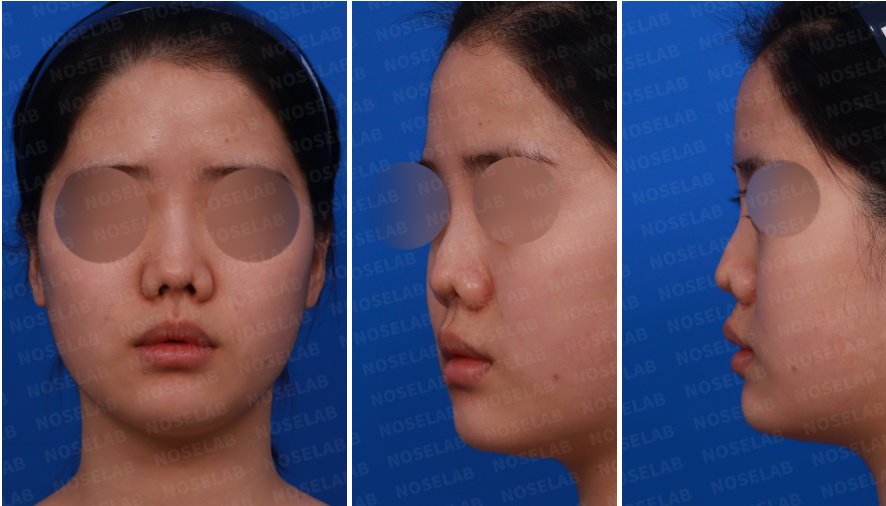
✅ Surgical Background – Closed Rhinoplasty Korea
Closed rhinoplasty Korea enables precise internal correction of complex nasal deformities without external incisions.
In cases of nostril stenosis, both the internal nasal valve and external alar structure must be reconstructed.
This approach allows simultaneous functional and structural correction while minimizing additional tissue damage.
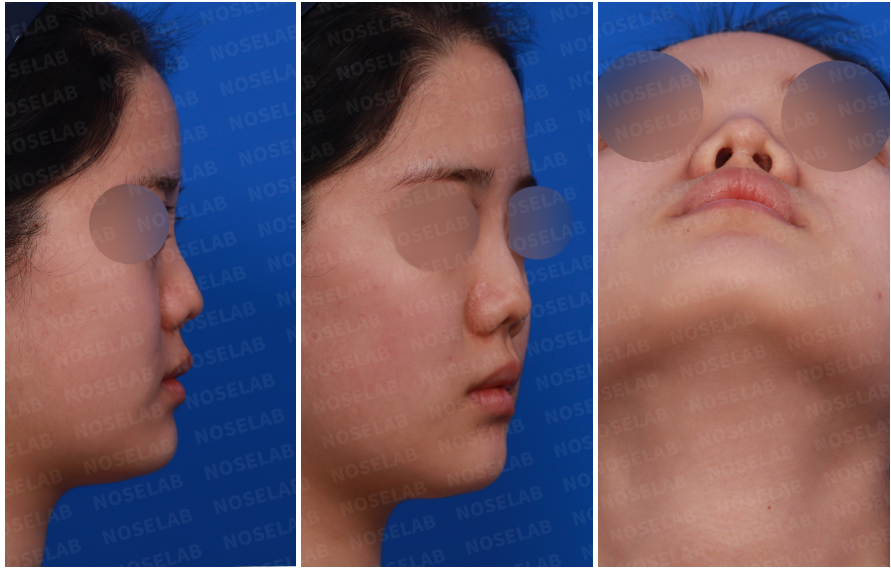
✅ Structural Problems Identified
Preoperative analysis revealed:
Severe nostril stenosis due to alar cartilage damage
Internal and external nasal valve collapse
Reduced nasal airway space
Upturned nasal tip
Structural instability from repeated surgeries
Scar tissue formation affecting nasal contour
These findings indicated the need for full structural reconstruction rather than isolated correction.
✅ Surgical Plan
1. Alar Cartilage Reconstruction
Damaged alar cartilage was reconstructed to restore external nasal valve support and nostril shape.
2. Nasal Airway Expansion
The internal nasal cavity was expanded to improve airflow and relieve obstruction.
3. Rib Cartilage Structural Support
Autologous rib cartilage was used to rebuild structural stability and prevent recurrence of stenosis.
4. Skin Grafting for Tissue Deficiency
Skin grafting was performed to compensate for tissue loss and ensure adequate nasal lining.
5. Nasal Tip and Columella Correction
The nasal tip was repositioned and the columella structure restored to improve symmetry and projection.
6. Implant-Free Reconstruction
Silicone was avoided to reduce inflammation risk and improve long-term outcomes.
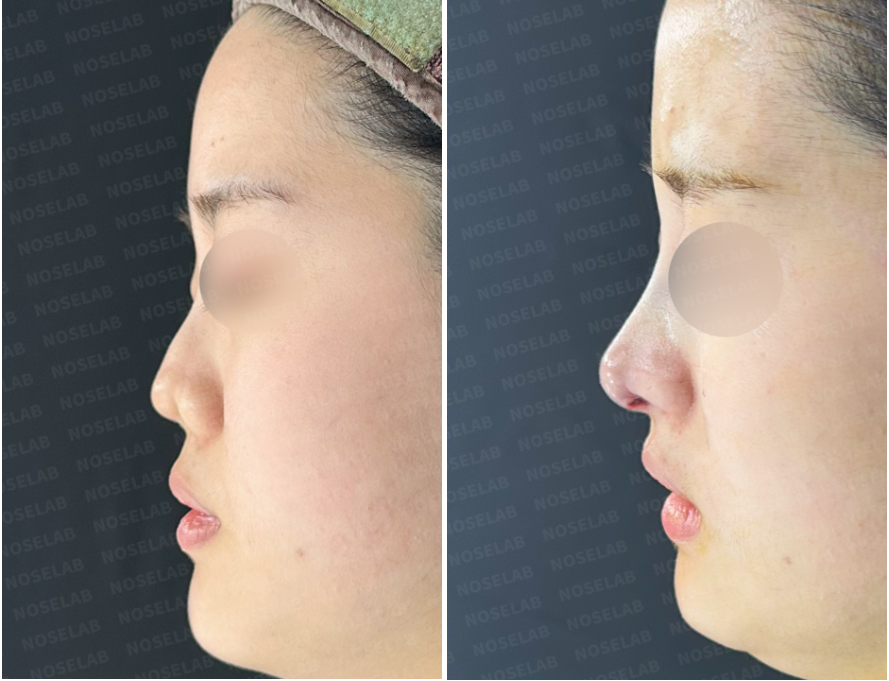
✅ Surgical Results
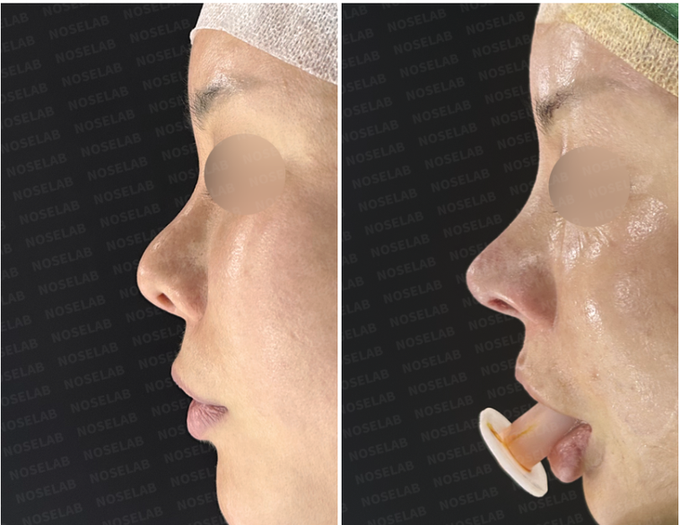
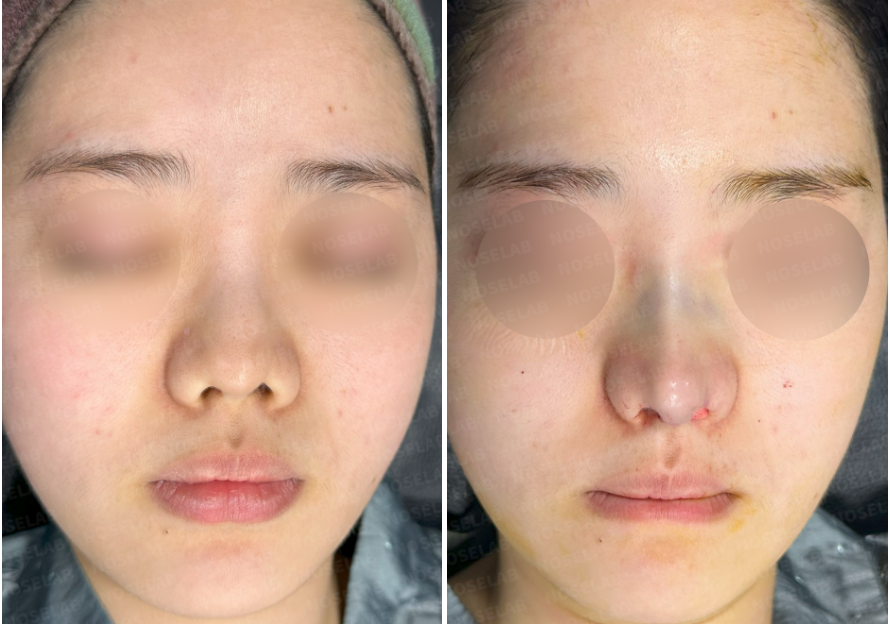
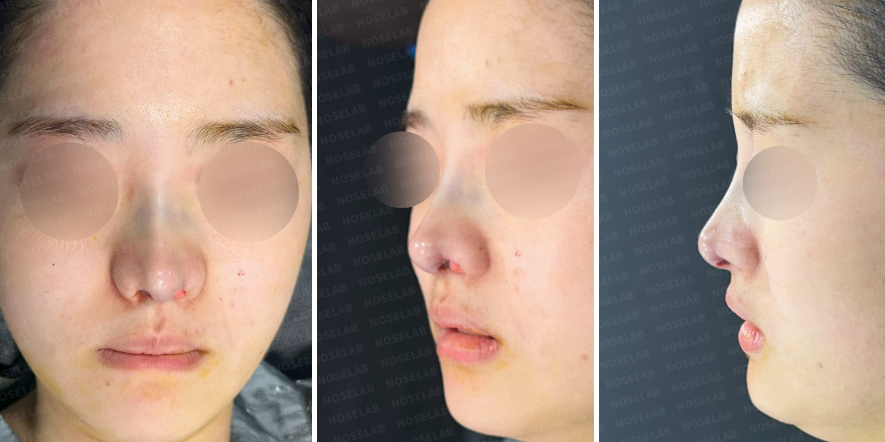
Lateral View
Improved nasal projection
Stabilized tip position
Corrected nasolabial angle
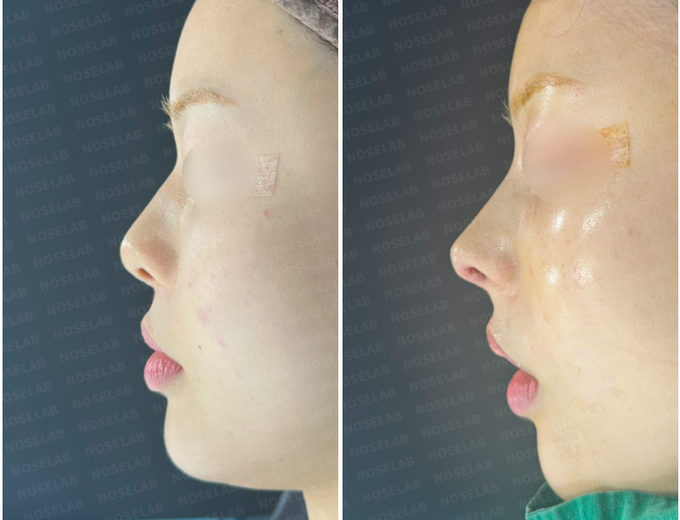
Oblique View
Smooth contour restored
Structural alignment improved
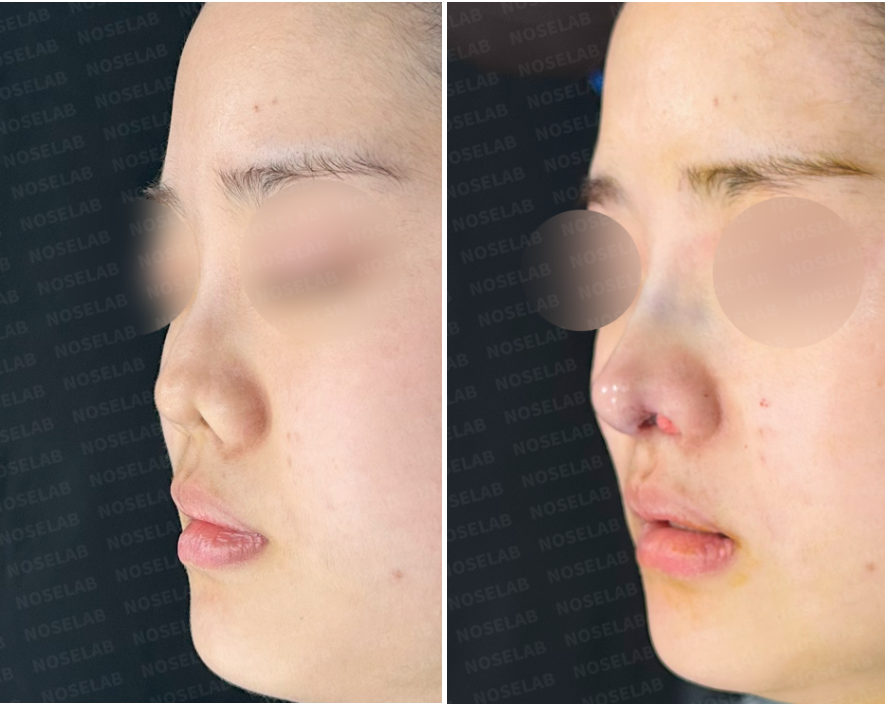
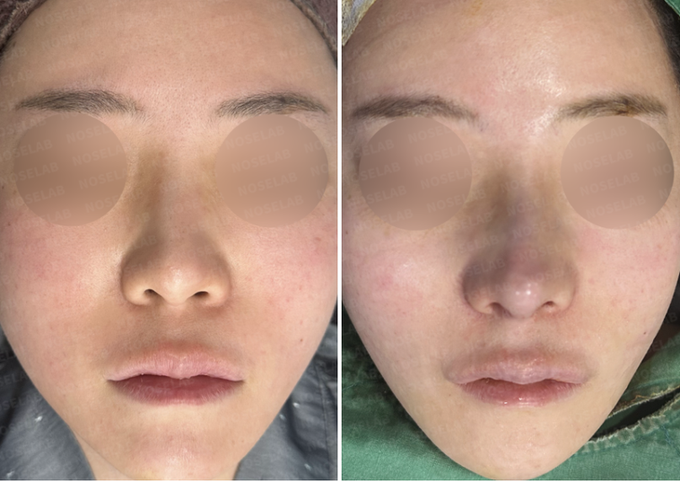
Frontal View
Nostril symmetry improved
Balanced nasal structure restored
Reduced deformity
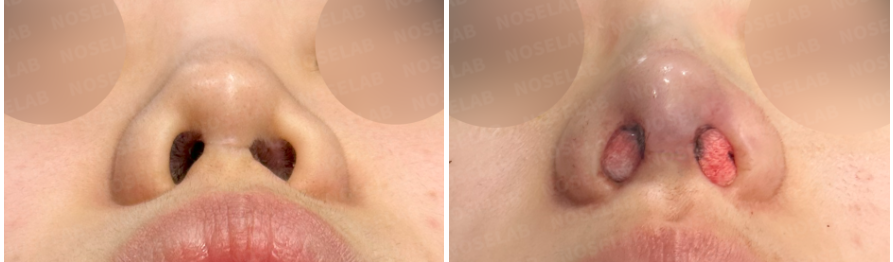
Functional Outcome
Nasal obstruction improved
Airway expanded
Breathing function restored
✅ Surgeon’s Commentary
Nostril stenosis is one of the most challenging conditions in revision rhinoplasty.
It is not simply a cosmetic issue but a structural and functional problem involving both internal and external nasal valves.
In this case, reconstruction of the alar framework and nasal airway was essential.
Rib cartilage played a critical role in providing stable structural support and preventing recurrence.
Closed rhinoplasty Korea allows precise reconstruction while preserving soft tissue, which is especially important in revision cases with compromised tissue.
If you are experiencing nostril narrowing or breathing difficulty after previous surgery, a structural approach is necessary for long-term improvement.
📩 International Consultation
✅ FAQ
Q1. What causes nostril stenosis after rhinoplasty?
It is often caused by cartilage damage, excessive tissue removal, or improper structural support.
Q2. Can nostril stenosis be fully corrected?
Improvement is possible through structural reconstruction, but outcomes depend on tissue condition and prior surgeries.
Q3. Why is rib cartilage used in these cases?
Rib cartilage provides strong and stable support necessary for reconstructing damaged nasal structures.
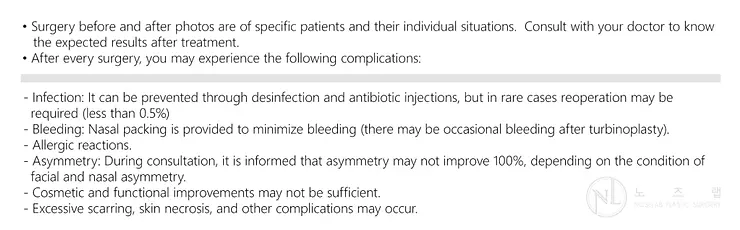
✅ Mandatory Disclosure
This case is for educational purposes and represents a clinical example.
Results may vary depending on individual anatomy and surgical history.
All procedures were performed by a qualified specialist.
Read the author’s background and the original case context. About these articles
Source updated .