Case at a glance
- Surgical plan
- Photo timing
These details are excerpts from the original article and captions. Follow a detail to read it in context.
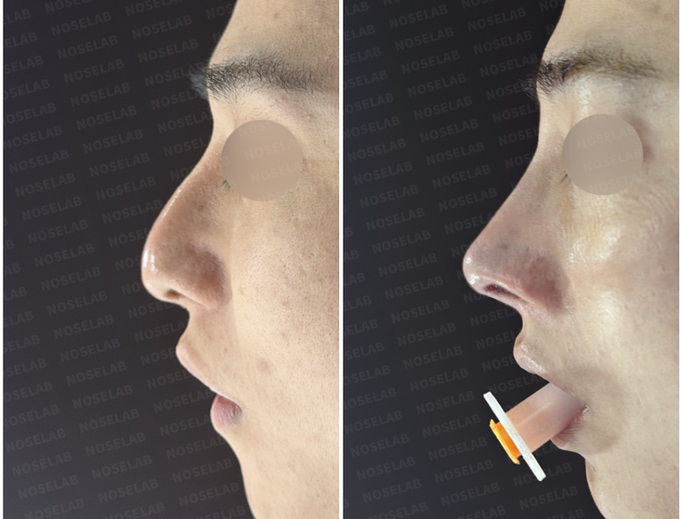
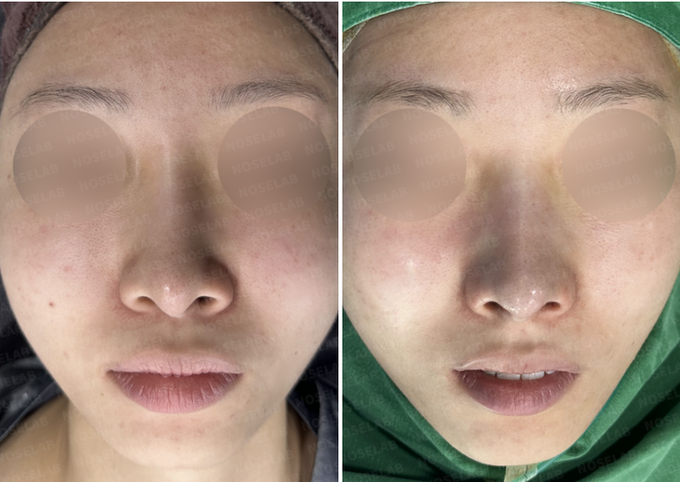
This clinical case presents a male patient undergoing revision rhinoplasty following severe nasal obstruction and structural deformity after prior surgery and subsequent nasal trauma. The primary goal of treatment was functional recovery through comprehensive structural reconstruction rather than cosmetic modification.
Patient Condition and Key Problems
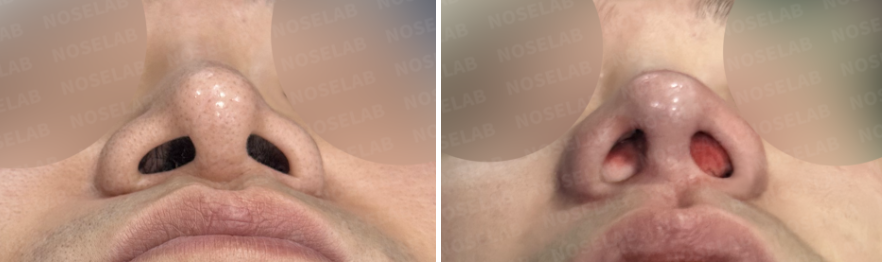
The patient experienced significant nasal obstruction caused by severe septal deviation, accompanied by asymmetry of the nostrils and protrusion near the columella following trauma. Damage to the bilateral alar cartilages resulted in structural instability and visible distortion. Restoration of nasal airflow and correction of post-traumatic deformity were the patient’s primary concerns.

Surgical Background – closed rhinoplasty korea
This case represents a revision rhinoplasty. The patient had previously undergone rhinoplasty using donor rib cartilage, septal cartilage, and a silicone implant approximately two years earlier. One year later, nasal trauma caused further structural damage, leading to worsening nasal obstruction and deformity. In this revision case, closed rhinoplasty korea was selected to allow comprehensive internal reconstruction without external incisions, focusing on restoring nasal function and structural stability.

Surgical Plan – Structural & Functional Approach
Structure-first Philosophy
Preoperative evaluation revealed severe septal deviation and extensive damage to both alar cartilages. Simple correction was insufficient, necessitating reconstructive surgery. Donor rib cartilage was selected as the primary graft material, supplemented with remaining septal cartilage where appropriate, to rebuild the internal nasal framework.
Long-term Stability and Revision Prevention
Septal reconstruction was performed to reestablish a stable midline support and adequate nasal airway. Septoplasty corrected the severe deviation, ensuring balanced airflow. Both alar cartilages were reconstructed using donor rib cartilage to restore nostril symmetry and structural integrity. A customized silicone implant was shaped to match the patient’s nasal anatomy, and nasolabial angle adjustment was performed to correct protrusion and improve profile balance. Inferior turbinate reduction was added to address chronic rhinitis and further improve breathing.
Surgical Results – Functional and Structural Outcome
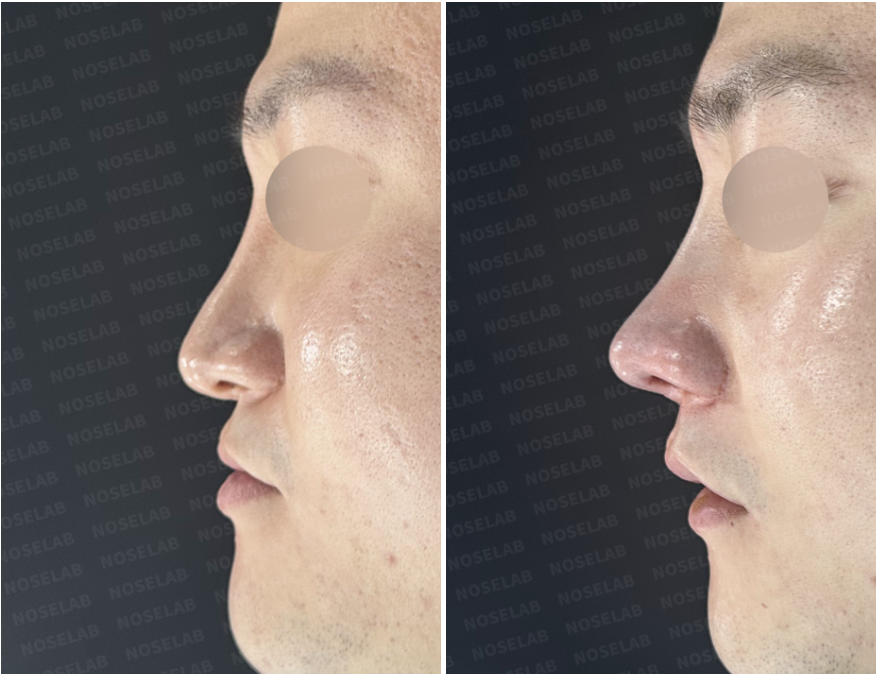
Postoperatively, nasal airflow improved significantly following correction of septal deviation and turbinate reduction. Nostril asymmetry and columellar protrusion were resolved through bilateral alar reconstruction. Structural stability of the nose was restored, resulting in a balanced and natural nasal contour without excessive projection.


Surgeon’s Commentary
In cases of post-traumatic revision rhinoplasty, structural damage often extends beyond the septum to include the alar cartilages. In this patient, severe septal deviation combined with bilateral alar cartilage damage required comprehensive reconstruction rather than isolated correction. Donor rib cartilage is a reliable option for patients who prefer to avoid autologous rib harvest, providing sufficient strength and stability for complex reconstruction. Successful revision surgery depends on accurate assessment of damaged structures and appropriate selection of graft materials to restore both function and long-term stability.
Frequently Asked Questions (FAQ)
Q1. Why is donor rib cartilage used in revision rhinoplasty?
Donor rib cartilage is used when extensive structural reconstruction is required and autologous rib harvest is not preferred. It provides strong and stable support for rebuilding nasal frameworks.
Q2. Can alar cartilage damage cause nasal obstruction and asymmetry?
Yes. Damage to the alar cartilages can lead to nostril asymmetry, external nasal deformity, and compromised airflow, making reconstruction necessary.
Q3. How does trauma affect outcomes after previous rhinoplasty?
Trauma can disrupt previously reconstructed structures, leading to functional impairment and deformity. Revision surgery focuses on restoring damaged anatomy and stabilizing nasal support.
🎥 YouTube Reference
If you’re curious about Dr. Cha-Young Kang’s closed rhinoplasty approach, click to watch the video.

Read the author’s background and the original case context. About these articles